Morning Mist & Fresh Starts: Elevating Your Winter Wellness Routine for the New Year

Winter offers a unique opportunity to slow down and embrace routines that nurture both body and mind. By integrating simple, intentional morning practices, you can transform the season's challenges into a foundation for clarity, calm, and sustained wellness. This guide explores how to harness the quiet power of winter mornings to start each day with renewal and purposeful energy.
Key Takeaways
Morning mist rituals help reduce stress and anchor daily intentions for improved mental clarity.
Aligning routines with winter’s natural rhythms supports mood, immunity, and energy balance.
Incorporate cold exposure, breathwork, and sensory elements to enhance resilience and alertness.
Personalizing and scaling wellness habits ensures sustainability throughout the season.
Creating micro-seasons and scent anchors maintains motivation and deepens focus during winter months.
Embracing Winter's Sacred Pause for Transformation
Morning Mist: Mindful Beginnings
There’s a quiet clarity to mornings wrapped in morning mist. The softened light and slowed street sounds invite a deliberate start: a slow breath, a warm drink, a short walk. Small rituals taken in that gentle hour — even five minutes — can reduce stress and anchor intention for the day. Experts highlight how a simple calming morning habit, like stepping outside briefly, helps counter seasonal low moods and resets your mental tone for productive, present-focused action.
Shift from Surviving to Thriving
Winter often triggers a survival mode: layered clothing, shorter days, and lower energy. Reframing this season as a time for intentional practices—rituals that protect sleep, movement, and social connection—moves you toward thriving rather than merely enduring. Creating a winter wellness routine that honors slower rhythms can improve mood and resilience; simple household rituals and cozy environments also support mental health during darker months.
Morning Mist as a Symbolic Clearing
As mist lifts, familiar outlines reappear — a useful metaphor for clearing mental fog. Using that transitional moment to set a single, clear intention helps the brain prioritize what matters. Whether it’s journaling one sentence, a breath exercise, or a brisk five-minute walk, these acts turn winter’s hush into a fertile pause for renewal and growth.
The Science Behind Winter Morning Wellness
Morning Mist and circadian rhythms
Shorter days and delayed sunrise in winter reduce the morning light that cues our internal clock, shifting sleep-wake timing and satiety signals. Getting natural light early helps anchor circadian rhythms, improving sleep quality and daytime alertness; clinical reviews show morning light exposure is particularly effective for stabilizing sleep patterns and mood. For practical reasons, even a 15–30 minute walk on a bright morning can reset your clock and counteract seasonal drift.
Cold, stress hormones, and immunity
Cold exposure increases sympathetic activity and circulating cortisol, which can transiently suppress some immune functions while boosting others involved in immediate defense. Chronic elevation of stress hormones, however, impairs antibody responses and wound healing, so morning practices that reduce early-day stress — gentle movement, breathing, warm beverages — help maintain balanced immune signaling through the season.
Why slower routines feel natural in winter
Biologically, lower daytime energy and metabolic shifts in winter make slower, intentional starts more efficient: consolidated low-effort mornings conserve resources and reduce allostatic load. Psychologically, ritualized slow steps create predictability, which lowers perceived stress and increases adherence to healthy behaviors over weeks and months.
Rituals protect mood during seasonal shifts
Consistent morning rituals—exposure to light, movement, and simple hygiene—act as behavioral zeitgebers that buffer against seasonal mood changes. Research links regular morning routines to reduced risk of depressive symptoms by stabilizing circadian timing and sleep, making a dependable morning sequence a scientifically grounded tool for winter wellness; for deeper reviews on light’s role in sleep regulation, see this analysis of morning light benefits.
Creating Your Morning Mist Ritual: Five Transformative Practices
Step outside: use the mist as a mindfulness anchor
Begin by stepping onto your porch or balcony for two to five minutes and simply observing the morning mist—its scent, the way it softens edges, how it lifts from the ground. Treat this moment as a single-pointed anchor: when your thoughts wander, return to the cool air on your face and the rhythm of tiny droplets. This short practice grounds attention quickly and turns a winter morning into a deliberate, sensory fresh start.
Warm water rituals: lemon water, broths, and herbal teas
Counter the cold by sipping something warm immediately after your mist pause. A glass of warm lemon water, a savory bone or vegetable broth, or a cup of nettle or ginger tea helps gently stimulate digestion and supports winter detoxification without overloading the system. Warm steam also boosts circulation and helps skin absorb moisture—try a small ritual of inhaling steam from your mug for 30 seconds to deepen the warming effect and wake up the senses.
Breathwork designed for cold mornings
Use simple, invigorating breath patterns to clear foggy thinking: three rounds of 4–6–8 breathing (inhale 4, hold 6, exhale 8) followed by gentle nasal alternate nostril breaths can increase alertness while calming the nervous system. Breathwork in cooler air has been shown to reduce perceived stress when combined with cold exposure techniques and pranayama-inspired routines, making it especially effective for winter clarity and mood regulation.
Gentle movement that honors winter energy
Keep movement slow and nourishing rather than high-octane. Five to ten minutes of joint mobilizations—neck rolls, cat-cow, slow lunges—and a few standing twists warm tissue without exhausting reserves, supporting circulation and mindful embodiment. These short sequences respect seasonal energy dips while still raising core temperature and easing stiffness.
Create a sensory morning environment
Finally, layer in texture and scent: a soft throw for your shoulders, a wooden cup, and an essential-oil spritz of citrus or cedar to brighten and ground. Natural textures and carefully chosen aromas turn routine acts into ritual, making each winter morning feel intentional rather than rushed. Over time, these consistent cues train your body and brain to recognize the mist ritual as the start of a fresh, centered day.
Beyond the Basics: Advanced Winter Wellness Strategies
Morning Mist: circadian light therapy for energy and mood
Timed light exposure is a precision tool. Getting bright, blue-enriched light within the first two hours after waking shifts your circadian rhythm, raises daytime serotonin, and reduces evening melatonin—actions linked to better energy and mood during short, gray days. For many people, a 20–30 minute session of natural outdoor light or a calibrated lightbox in the morning produces measurable benefits for alertness and emotional regulation. Natural morning light is particularly effective when combined with a consistent wake time.
Temperature contrast therapy: brief cold exposure to build resilience
Incorporate short, controlled cold exposures—cold showers, 1–3 minute ice baths, or outdoor brief dips—after a warm-up phase. This contrast training stimulates autonomic regulation, improves mood through noradrenaline release, and enhances tolerance to stressors. Start gradually and pair with breath control; even small, regular doses deliver resilience gains without excessive strain.
Seasonal nutrition timing: eat for warming or cooling phases
Match meal composition and timing to energy needs across the day. Emphasize warming, easily digestible foods (root vegetables, ginger, soups) in the evening to support restorative digestion and sleep, while keeping lighter, nutrient-dense meals for midday to sustain activity. Adjust macronutrient timing so larger carbohydrate or starchy portions fall when you need sustained afternoon energy.
The art of “wintering”: rest cycles with purposeful momentum
Wintering is deliberate rest—not resignation. Build alternating cycles of slowed weeks and focused micro-project sprints. Schedule creativity windows and low-demand recovery days so momentum remains while honoring lower baseline energy. This preserves long-term productivity without burnout.
Design micro-seasons: break winter into manageable rhythms
Create 2–4 week micro-seasons—each with a theme (learning, social, restoration, fitness)—to counter monotony. Rotate priorities, tweak light and nutrition strategies per micro-season, and reassess outcomes. Small, intentional shifts keep routines fresh and foster incremental progress through the colder months. For practical timing tips tied to circadian principles, see guidance on morning exposure and seasonal alignment. Research on morning light
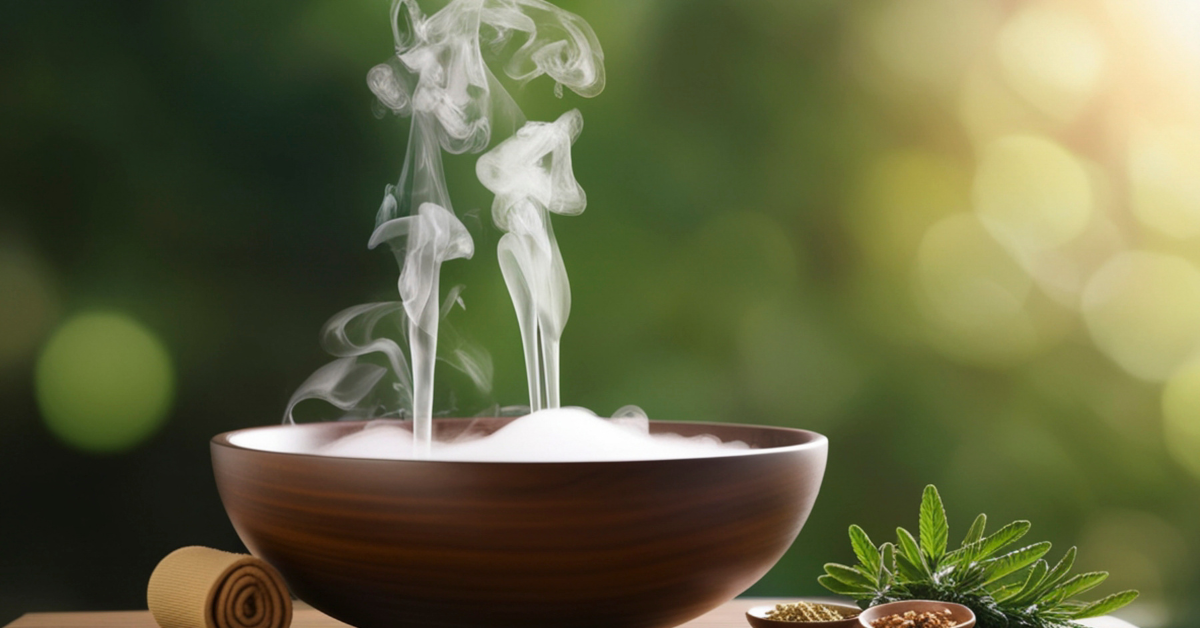
Morning Mist: Aromatherapy for Winter Clarity
Cold, dim mornings change how our brains respond to sensory cues. Gentle, intentional scents can nudge neurological pathways involved in mood and attention, helping you move from groggy to focused without reaching for caffeine. Research shows citrus and other botanical aromas interact with limbic structures tied to emotion and memory, producing measurable mood uplift and reduced stress markers when used consistently. Learn more about citrus effects on mood.
How scents influence brain and mood
Olfactory signals bypass the thalamus and feed directly into the amygdala and hippocampus, which govern emotion and memory. That direct pathway explains why a morning aroma can rapidly shift affect and prime attention. Used as a brief, repeatable cue, a scent becomes an efficient trigger for states like calm alertness.
Citrus and botanical blends to energize
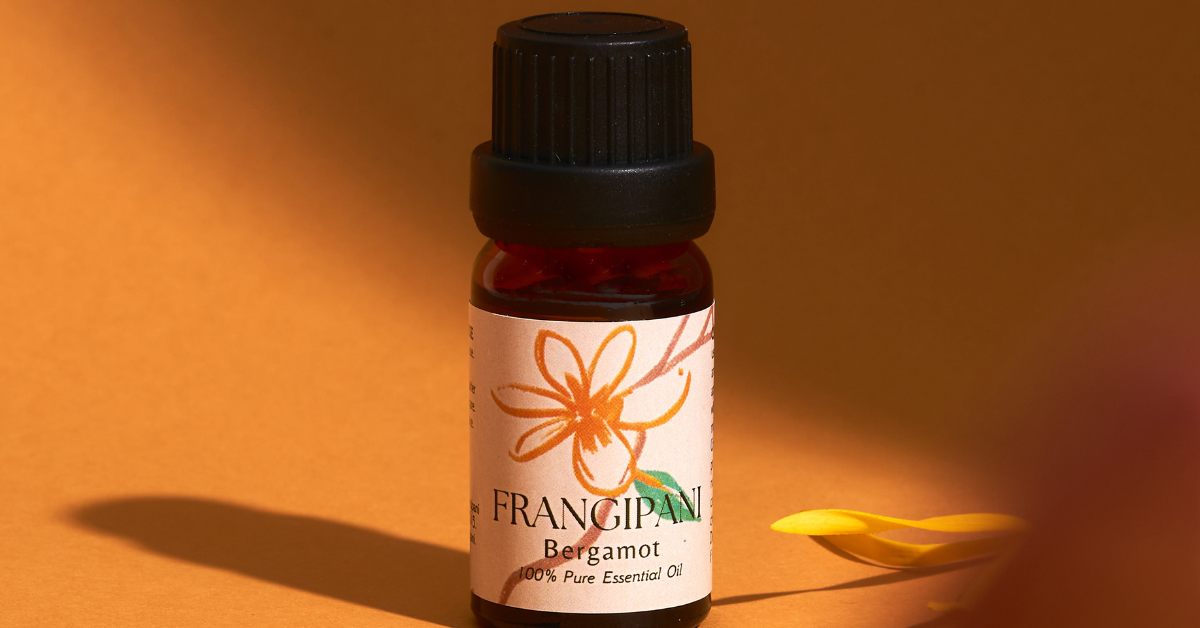
Limonene-rich oils (orange, lemon, bergamot) are especially effective at boosting serotonin and dopamine activity, producing wakeful cheer without jitters. Pair citrus with rosemary or peppermint for cognitive lift, or add gentle florals like neroli to soften intensity. For practical mixing ratios, try 2–3 drops citrus + 1 drop herb per 10 mL carrier for a diffuser-ready blend.
Designing scent anchors and rituals
Create a simple ritual: inhale your chosen blend for 3–5 deep breaths while naming an intention (focus, patience, clarity). Repeat daily so your brain links that aroma to the desired state—this is a scent anchor. For study or work sessions, you can find focused recommendations in this guide to essential oils for focus and concentration.
Treating the morning application as a purposeful self-care moment makes the practice sustainable: the scent cues your nervous system and signals your mind that a new, clearer day has begun.
Personalizing Winter Wellness: Morning Mist Strategies
Winter changes energy, commitments, and the ease of getting out of bed — so your Morning Mist routine should flex, not fracture. Start by listing three nonnegotiables (wake time, hydration, five-minute movement) and three optional elements you can scale up or down depending on how you feel that day. This keeps momentum without demanding perfection. For ideas on approachable, equipment-free habits that stick, see accessible back-to-basics recommendations from wellness experts.
Adapt practices to energy and life demands
Map activities to energy zones: high-energy days = longer walks or focused work blocks; low-energy days = restorative stretching, breathwork, or a short gratitude note. Align movement with your body's signals — some coaches now recommend hormone- or energy-aligned workouts that respect daily variability rather than rigid schedules.
When to adjust instead of abandoning your routine
Warning signs you need to tweak rather than quit include persistent dread around the routine, frequent skipping with rising stress, or sleep disruption. Swap intensity for consistency: shorten a ritual to 5 minutes instead of skipping entirely, then rebuild gradually.
Balancing ambition with self-compassion
Pair goal-setting with micro-goals and compassionate resets. If you miss a week, treat it as data, not failure: note triggers and create one small corrective change for the next week.
Backup plans for hard winter mornings
Create two backups: a "light" version (wash face, sip water, two breathing cycles) and a "relay" version (alarm later, 7-minute gentle movement, postponed journaling). Label each in your planner so habit activation feels automatic on tough mornings — that friction reduction keeps your Morning Mist routine sustainable through the season.
Embracing Winter's Morning Mist
See winter as a season to cultivate
Winter doesn't have to be endured; it can be a time to quietly cultivate strength, clarity, and rest. By shifting from a survival mindset to one of intentional growth, small daily practices become fertile ground for deeper change rather than tasks to check off.
The ripple effect of morning intentions
Setting a calm intention in the "morning mist" can influence mood, focus, and decisions for hours afterward—research suggests people often feel better in the morning, which makes those first minutes especially powerful for shaping the day (UCL). A brief pause to breathe, name one priority, or offer gratitude cascades into clearer choices and gentler resilience through the season.
Begin small, build steadily
Start with one simple habit: a single mindful breath, a two-minute stretch, or a concise morning note. Scale gradually—consistency matters more than intensity—and notice how tiny investments compound into lasting transformation. Trust the quiet momentum of winter; the mist clears into fresh starts that carry you forward.
Frequently Asked Questions
Why is morning light exposure important in winter?
Morning light helps regulate circadian rhythms, improving sleep quality, mood, and daytime alertness, which often decline during shorter and darker winter days.
How can morning mist practices reduce seasonal stress?
Mindful moments in the mist serve as a sensory anchor that calms the nervous system, lowers stress hormones, and sets a focused, intentional tone for the day ahead.
What types of breathwork are best for cold winter mornings?
Techniques like 4–6–8 breath patterns combined with gentle alternate nostril breathing can increase alertness and calm, effectively counteracting winter lethargy.
How can I personalize my winter wellness routine?
Start with nonnegotiable practices like hydration and movement, then add or scale optional elements depending on your energy and daily demands to maintain consistency without overwhelm.
What role do scents play in winter wellness?
Certain aromas, especially citrus and botanical blends, stimulate brain regions linked to mood and cognition, providing a natural boost to focus and emotional well-being during cold, dim mornings.