Crafting Your New Year Aromatherapy Room
The start of a year always feels like a deep, collective breath. It’s a time to reset not just our goals, but the very atmosphere we live in. We’ve always believed that scent is the quickest path to a fresh mindset—a way to turn a familiar corner of your home into a place of renewal. Whether you’re looking to sharpen your focus or simply find a moment of stillness, the right blend of oils can help bridge the gap between where you are and how you want to feel. Let’s look at how we can use these quiet, aromatic rituals to craft a space that truly supports your well-being this year.
Key Takeaways
Intentional scenting triggers emotional renewal by influencing brain areas tied to mood and memory.
Room environment and diffuser choice impact the effectiveness and consistency of aromatherapy.
Exotic Asian botanicals like Litsea cubeba and Hinoki provide unique mood-boosting benefits beyond common oils.
Creating a 3-note seasonal scent signature enhances aroma balance and emotional connection throughout the year.
Safe scenting practices protect pets, pregnant women, and sensitive individuals while maximizing benefits.
Daily scent rituals compound small moments into measurable improvements in stress, focus, and wellbeing.
Reset Your Space with an Aromatherapy Room
Why scent feels like a fresh start
There’s a direct, almost instantaneous link between smell and how we feel: scents reach the limbic system and shape mood, memory, and emotional response. That’s why swapping a stale air for a purposeful fragrance can feel like turning a page—clearing old energy and signaling the brain that it’s time for something new. Using an aromatherapy room or a dedicated scent ritual gives your space a consistent cue for focus, calm, or creativity. Research on scent and the brain explains how aroma directly influences perception and behavior.
As the New Year arrives, scent becomes a simple, powerful tool to anchor intentions. Swap one room’s fragrance, light a citrus or rosemary diffuser, and treat it as a daily reset—many people find ritualized scents boost routine adherence and wellbeing. Ready to commit? Pick one uplifting aroma, use it consistently for a few weeks, and watch your space—and mindset—shift. For practical ideas, explore curated New Year scent rituals to get started. New Year scent rituals
Setting the Foundation for an Aromatherapy Room
Core environmental controls: air, temperature, and distribution
Three factors determine whether an aromatherapy room feels intentional or accidental: air circulation, temperature control, and the method you use to distribute scent. Gentle cross-ventilation prevents hotspots of fragrance and keeps concentration even, while sealed still air lets oils linger and can quickly become overpowering. Temperature also matters — moderate, consistent climate produces the most steady scent throw, whereas fluctuations speed evaporation or mute delicate notes; practical temperature strategies help you avoid inconsistent aroma performance that researchers and practitioners note.
How room size alters concentration and diffusion patterns
Room volume dictates how many oil molecules you need for the intended effect. Small treatment rooms (under 150 sq ft) will reach therapeutic concentrations with only a few drops, while open-plan spaces or studios require higher output or continuous diffusion. Measure cubic volume, start low, and use incremental adjustments — professional spas often log settings by room size to reproduce results reliably. If you want consistent client experiences, create a quick cheat sheet linking room dimensions to diffuser runtime and oil quantity.
Choosing between ultrasonic, nebulizing, and heat diffusers
Each diffusion method has a tradeoff. Ultrasonic diffusers add humidity and produce gentle, broad scenting ideal for relaxation spaces; nebulizers deliver pure, potent droplets without water, suited to clinical-grade scenting or larger rooms; heat diffusers are inexpensive but can alter oil chemistry. Cold-air nebulizing systems, for example, break oil into minute particles without heat, preserving aromatic integrity and offering precise control for professional settings —a useful read when choosing technology.
Scent layering and timing: the practical science
Layering is not just art; it’s chemistry. Top notes evaporate first, followed by heart and base notes, so sequencing matters: introduce lighter, volatile oils in short bursts and follow with grounding bases to extend longevity. Wait 10–20 minutes between changes to let the room equilibrate — many aromatherapists keep a diary of blends and timings to replicate successful sessions. Ready to build your own reliable setup? Start by testing one variable at a time and documenting what resonates with clients or household members.
Transform Your Mindset with an Aromatherapy Room
Clinical evidence: measurable stress reduction
Multiple clinical studies show intentional scenting produces meaningful results — in some trials participants report up to a 40% reduction in perceived stress when exposed to scented environments versus unscented spaces. These effects are consistent across settings from offices to clinical wards, suggesting an aromatherapy room isn’t just a luxury but a measurable wellness tool. For a synthesis of recent findings on aromatherapy’s impact on stress and well‑being, see this efficacy review on PubMed.
Scents that sharpen focus and clarity
Not all aromas are equal. Asian‑inspired scents like hinoki (Japanese cypress) and litsea cubeba deliver bright, clear top notes that research and practitioner experience link to improved attention and mental clarity. Use them in short, intentional bursts—diffuse hinoki while writing or choose litsea cubeba for morning rituals—to create reliable cognitive cues that prime productivity.
The memory–emotion connection: rewire negative patterns
The olfactory system connects directly to the limbic brain, so scent can anchor emotions and memories faster than other stimuli. Repeating a calming scent during relaxing or successful moments trains the brain to associate that aroma with safety and competence, gradually weakening anxious responses. A clinical investigation of inhalation aromatherapy found significant improvements in stress and mood measures after brief, repeated interventions, illustrating how scent pairing can change habitual thought patterns.
Real people, real change — and a simple next step
Everyday users report reduced panic, steadier mornings, and clearer work sessions after committing to a daily scent ritual. Start small: dedicate a corner, choose one scent (try hinoki or litsea cubeba), and scent it consistently for two weeks. If you want structure, design your aromatherapy room around those rituals—then notice how a few mindful breaths can transform your mindset and your day.
Beyond Basic Lavender: Exotic Scents for Your Aromatherapy Room
Lavender is comforting, but it’s also everywhere — the aromatherapy room equivalent of background music. If you want blends that shift mood, sharpen focus, or cut through stress, reach for unique scent combo that deliver distinct, repeatable effects.
Why common scents miss the mark
Many popular recommendations cycle the same seven oils until every diffuser smells identical. That oversaturation dulls the brain’s response and reduces perceived benefit. Choosing rarer, high-impact oils revitalizes the olfactory experience and creates stronger, longer-lasting emotional responses in your aromatherapy room.
Litsea cubeba: Asia’s may chang for energy and optimism
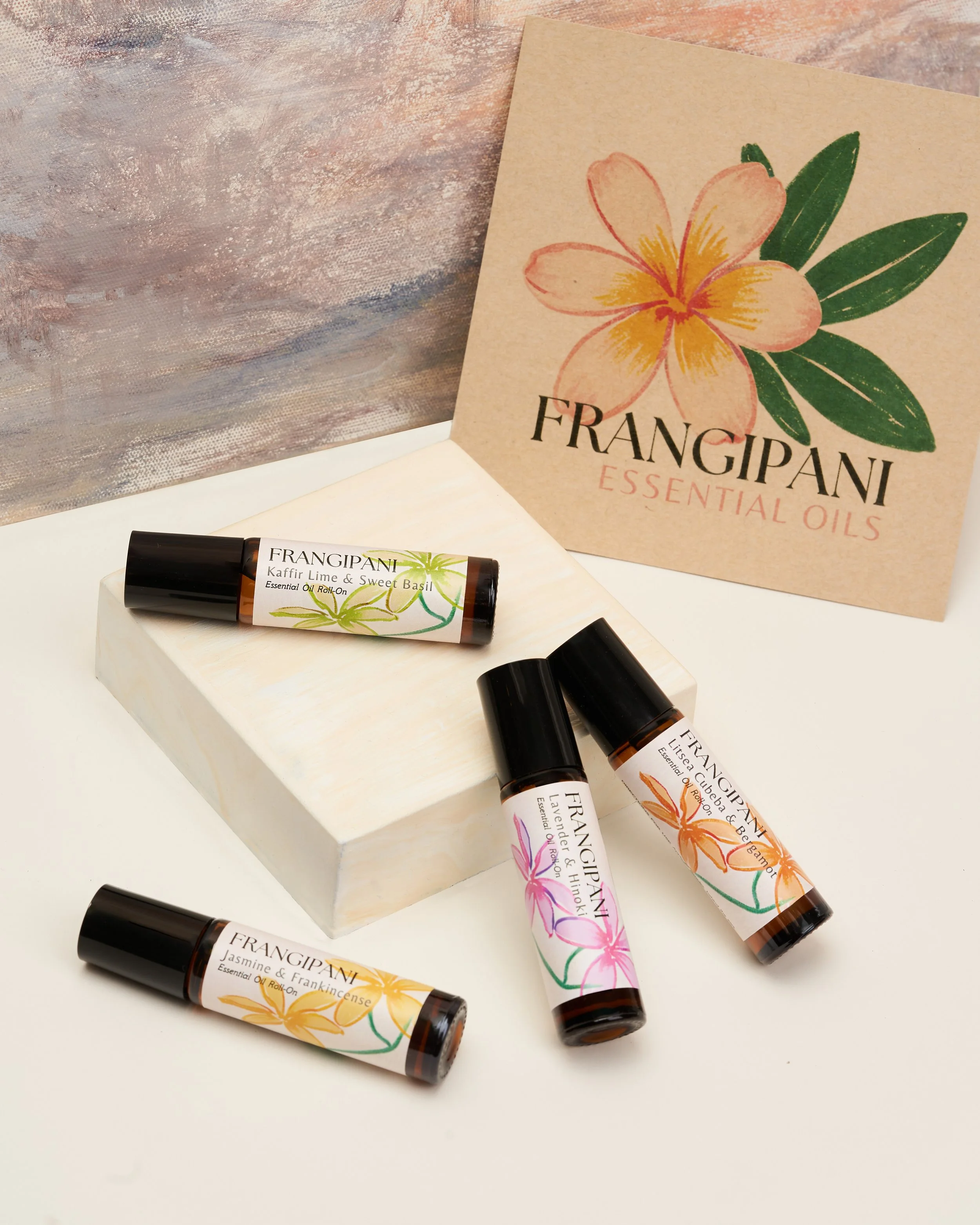
Litsea cubeba (may chang) smells lemony but carries a brighter, more floral top note that research ties to reduced stress and uplifted mood. Clinical work on Litsea cubeba aromatherapy shows it can lower stress markers and improve mental wellbeing when diffused, making it a superior citrus choice for energizing blends — especially during morning or pre-work sessions (study on Litsea cubeba aromatherapy). Try 2–3 drops in a citrus-forward room blend to replace plain lemon for a clearer, happier burst of energy.
Hinoki wood essence: Japan’s secret for clarity and grounding
Extracted from Japanese cypress, hinoki offers a dry, woody aroma used in shinrin-yoku (forest bathing) for mental clarity and calm. In an aromatherapy room, a few drops of hinoki or a hinoki-dominant roll-on can promote focus without sedation — ideal for study zones or work-from-home setups that need subtle grounding rather than heavy relaxation.
Jasmine + frankincense: ancient wisdom meets modern stress relief
Pairing jasmine’s intoxicating floral warmth with the resinous depth of frankincense creates a balanced blend that eases anxiety while preserving alertness. This combination has roots in traditional ritual and now appears in contemporary stress-relief protocols: jasmine elevates mood; frankincense steadies breathing and cognition. Use it in evening wind-downs that still require calm, centered thinking.
How to source authentic Asian botanicals (and avoid fakes)
Buy oils with clear botanical names (Litsea cubeba, Chamaecyparis obtusa for hinoki), a listed country of origin, and a COA or GC‑MS test. Avoid vague labels like “citrus fragrance” or bottles that only list “parfum” — those are often synthetic blends with no therapeutic value.
**Try one swap this week:** replace single essential oil in one diffuser with Litsea, hinoki, or a jasmine/frankincense mix and observe how your aromatherapy room transforms.
Creating Your 2026 Scent Signature
The 3-note rule: base, middle, and top
Build depth and longevity by composing blends like a perfumer: top, middle, and base notes. A practical starting ratio is 30/50/20 (top/middle/base) which gives an immediate lift, a warm heart, and a lasting foundation—perfect for a balanced aromatherapy room. For a deeper how-to on note balancing, see this simple guide to top, middle, and base notes.
Seasonal rotation strategy for lasting enjoyment
Your New Year blend should evolve as the year does: brighter citruses and green florals for spring, herbaceous and cooling accords for summer, warm resinous and spice notes for autumn and winter. Rotate every 6–8 weeks to match mood, activities, and changes in humidity that affect scent projection. This keeps your aromatherapy room feeling intentional and emotionally aligned with the season.
Testing and adjusting ratios: the 2‑week protocol
Create a small test batch (10–15 mL) using the 30/50/20 baseline, then label and record exact drops. Diffuse or place the blend in your aromatherapy room for two weeks while noting intensity, throw, and emotional response each day. If the top note fades too fast, add 5–10% more top; if the scent feels flat, boost the middle by small increments—iterating in two-week cycles locks in what truly works for your space.
Quality markers to trust when sourcing ingredients
To make a signature that’s reliable and safe, look for oils with GC‑MS testing, clear botanical names, and small-batch production—these reduce adulteration and variability. For examples of handcrafted Asian-inspired blends that emphasize authentic sourcing and small-batch care, explore trusted artisan collections. Prioritize suppliers who publish test reports and origin details; better ingredients mean a cleaner, truer scent in your aromatherapy room.
Ready to build yours? Start with one test vial, follow the 2‑week protocol, and tweak until it feels unmistakably yours—then commit to a seasonal rotation so your 2024 scent signature grows with you.
Safe Scenting: Aromatherapy Room Checklist
The ventilation mistake that turns oils into irritants
Poor airflow concentrates volatile compounds until a calming scent becomes a cough-trigger. Keep your windows or HVAC on low intermittently and run diffusers on a timer; short, controlled bursts are safer than continuous misting. For an evidence-based overview of essential oil risks and sensible dosing, see Healthline's safety guide.
Pet safety protocols — which oils are toxic
Cats and some dog breeds metabolize compounds differently; oils like tea tree, eucalyptus, and peppermint can be dangerous in enclosed spaces. Position diffusers out of reach, stop use if pets show lethargy or drooling, and store oils securely. Practical lists of commonly toxic oils and safer alternatives are available in many essential-oil safety tips resources.
Pregnancy and children: safer alternatives
During pregnancy and for young children choose mild options — lavender, chamomile, or plain citrus in minimal amounts — and always consult a clinician first. Many practitioners advise avoiding strong respiratory stimulants (peppermint, eucalyptus) for infants and pregnant clients to reduce risk.
Recognizing sensitivity and performing a patch test
Start small: place one diluted drop on inner forearm, wait 24 hours for redness or itching, and expand use only after a clear result. If anyone in the room reports headaches, dizziness, or throat irritation, stop immediately and ventilate the space.
Safe scenting protects people and pets alike. Make patch testing and measured ventilation your non-negotiable routine — and replace guesswork with trusted guidance before diffusing.
Your Scented Sanctuary Awaits
The compound effect: daily scent rituals that transform
Small, consistent scent moments add up. A brief morning or evening diffuser session — repeated daily for weeks — builds neural associations that nudge mood, sleep, and focus in measurable ways. Think of it as low-effort habit architecture: tiny rituals compound into a calmer, clearer life over months.
Your aromatherapy room: start small, dream big
Begin with one 10–20 minute session tonight: pick a grounding blend, set a timer, and breathe. That single act is the first step toward a real "fresh start." Start your first diffuser session now and watch small rituals turn your space into the sanctuary you deserve.
Frequently Asked Questions
What are the benefits of setting up an aromatherapy room?
An aromatherapy room offers a dedicated space where intentional scenting can reduce stress, improve focus, and boost emotional wellbeing through consistent, mood-enhancing fragrance rituals.
How do I choose the right diffuser for my aromatherapy room?
Select a diffuser based on room size and desired effect: ultrasonic diffusers add humidity for relaxation, nebulizing diffusers provide pure scent ideal for larger or clinical spaces, and heat diffusers are budget-friendly but may alter oil properties.
Why should I consider exotic Asian essential oils over common fragrances like lavender?
Common scents are often overused and can diminish emotional impact. Exotic Asian oils like Litsea cubeba and Hinoki offer distinct, refreshing aromas backed by research showing superior stress reduction and mental clarity benefits.
How can I ensure safe use of essential oils in my aromatherapy room?
Maintain proper ventilation, limit diffuser run time, perform patch tests, and avoid oils toxic to pets or unsafe during pregnancy. Always source high-quality oils with transparent labeling and test reports.
What is the best way to develop a personalized scent blend that lasts?
Use the 3-note rule—combining top, middle, and base notes in a 30/50/20 ratio—and test your blend over two weeks, adjusting ratios as needed to create a balanced, evolving scent reflecting your mood and season.