Essential Oils for a Natural Energy Boost
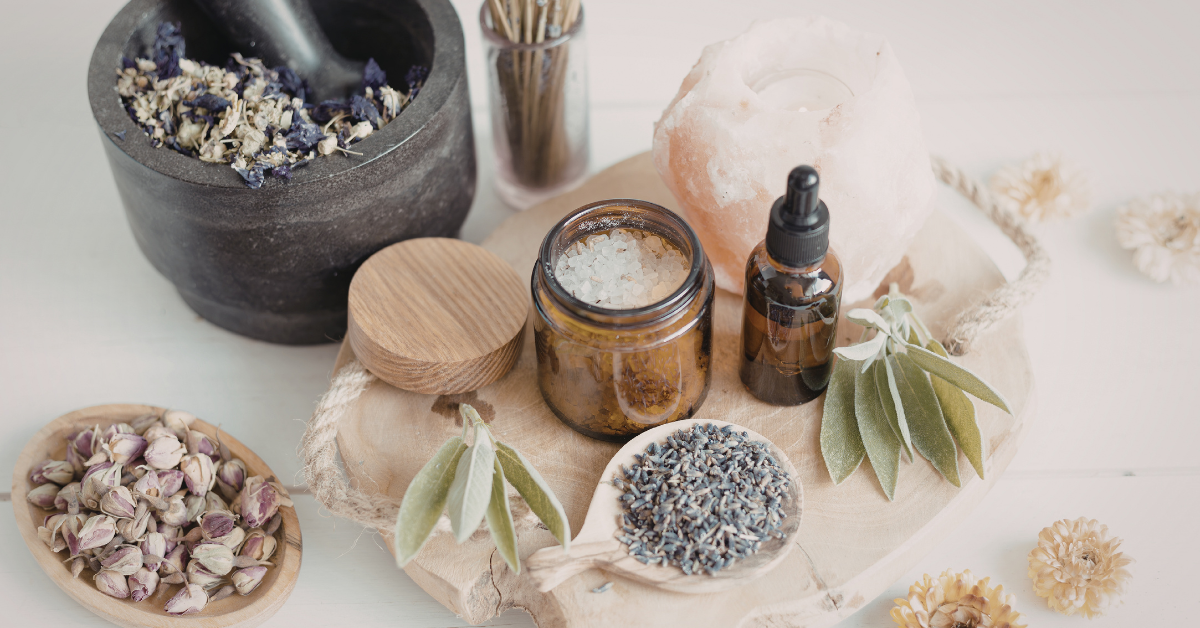
There’s a quiet shift that happens mid-afternoon, that moment when the morning’s momentum fades and the mind starts to drift. It’s tempting to reach for another cup of coffee to force our way through it, but there’s a gentler way to find our footing again. We’ve found that a simple, intentional breath of an energetic essential oil can do what caffeine can’t: it clears the fog without the noise. By leaning into these bright, botanical scents, we aren't just 'fixing' our tiredness; we're taking a mindful moment to reset our focus and finish the day with a bit more clarity and ease.
Key Takeaways
Caffeine can cause tolerance, crashes, and disrupted focus over time.
Energetic essential oils like peppermint, rosemary, and citrus stimulate alertness naturally.
Aromatherapy works by directly influencing the brain's limbic system for fast mood and focus shifts.
Using roll-ons and personal inhalers provides discreet, effective workplace energy boosts.
Pairing scent rituals with gradual caffeine reduction supports sustained energy without withdrawal.
Customizing your essential oil kit and routine helps find your best natural focus aids.
Why Your Third Cup of Coffee Isn't the Answer

The jittery reality of caffeine dependency
That mid-day reach for another mug often delivers short-lived alertness followed by a dip in the afternoon — tolerance builds, sleep cycles shift, and by 3pm the next crash is almost inevitable. Recent reviews of caffeine and stimulant sources show performance gains can be inconsistent and come with trade-offs like jitteriness and disrupted focus when intake climbs.
A sensory reset with energetic essential oils
Instead of a fourth espresso, a deliberate inhalation of aromatic compounds can act as a quick "sensory reset," interrupting mental fatigue without adding stimulants. Aromatherapy is widely recommended as a caffeine-free way to refresh attention and mood; practical guides summarize how targeted scents can lift energy naturally and without the shake of excess caffeine. Caffeine-free energy strategies explain how scent-based techniques fit into a daily routine.
How specific oils boost focus without crashes
Certain oils—peppermint for alertness, rosemary for memory, and citrus for mood—stimulate neural pathways linked to attention while avoiding the rebound slump of stimulants. In the sections ahead you'll learn safe dosages, simple inhalation methods, and which blends act fastest to replace the coffee-cycle habit.
The Science Behind Scent and Energy
How smell reaches the brain
When you inhale an essential oil, scent molecules bind to olfactory receptors in the nose and send fast, direct signals to the limbic system — the brain region that governs emotion, memory, and arousal. This direct pathway explains why a single whiff can shift mood or alertness almost immediately; researchers describe the olfactory-limbic connection as a primary route for aroma-driven behavioral change. Studies on how aromatherapy affects the brain illustrate these rapid sensory-to-emotion links.
Aromatic energy vs. stimulant-based energy
Aromatherapy enhances wakefulness by modulating neural circuits and neurotransmitters rather than by raising heart rate or blood pressure like caffeine. That means scent can sharpen attention and improve perceived energy without the jittery side effects of stimulants; the effect is often subtler, shorter-lived, and more context-dependent than pharmacological stimulation.
Energetic essential oils: molecules that wake the brain
Certain volatile compounds are consistently linked with alerting effects: limonene (citrus), 1,8‑cineole (rosemary, eucalyptus), and linalool (some herbs and florals) interact with olfactory receptors and downstream neurotransmitter systems. These interactions can increase cortical arousal and improve attention through neurotransmitter modulation and changes in brain-wave patterns, supported by research into olfactory nerve and neurotransmitter interactions. Work on scent-induced neurotransmitter changes outlines these mechanisms.
Evidence for citrus and herbal oils
Clinical and lab studies repeatedly find that citrus oils (orange, lemon) and herbal oils (rosemary, peppermint) improve mood, reaction time, and certain cognitive tasks. Reviews of cognitive-performance research note reliable alerting and attention benefits from citrus and rosemary inhalation, making them go-to choices when the goal is quick, natural energy. Summaries of these findings consolidate the practical takeaways for everyday use.
Top Energetic Essential Oils for Mental Clarity
Litsea Cubeba: the citrusy powerhouse for instant refresh
Litsea cubeba (May Chang) delivers a bright, citrus aroma driven by citral constituents that wake the mind without the jitter of stimulants. Diffuse 3–5 drops for an immediate lift or inhale directly from a tissue for a quick reset between tasks. Use a 0.5–1% topical dilution on pulse points for short-term pick-me-up; avoid eyes and broken skin.
Bergamot: alertness balanced with stress reduction
Bergamot blends uplifting citrus (limonene) with calming terpenes like linalool, so it can increase alertness while easing tension—useful when you need focused work without anxiety. Diffuse during long calls or add a single drop to a hand inhaler for steady mental clarity. Note: choose bergamot FCF or avoid sun exposure after topical use due to possible phototoxicity.
Peppermint vs. spearmint: choosing the right mint for focus
Peppermint, rich in menthol, produces an immediate, sharp boost in attention and reaction time—research shows peppermint aroma can improve performance on mental tasks and reduce fatigue when you need fast clarity (mental performance study). Spearmint (carvone-dominant) is milder and better for sustained, calm focus across long study or work sessions.
Rosemary: cognitive-enhancing compounds and memory benefits
Rosemary contains 1,8‑cineole and other actives linked to improved memory retrieval and concentration; many users diffuse rosemary before study or presentations to sharpen recall. A brief inhalation or a 0.5–1% temple application can support short-term memory tasks. As with many stimulatory oils, avoid high concentrations in people with seizure disorders; see broader guidance on combating brain fog for context (brain fog and fatigue).
Eucalyptus: clears mental fog and supports breathing
Eucalyptus (eucalyptol-rich) helps open airways and reduce nasal congestion, which indirectly boosts mental clarity by improving oxygen flow and alertness. Use steam inhalation or diffuse during morning routines to shake off grogginess; dilute for chest rubs to support respiration during stuffy periods. Avoid use on young infants and always follow age-appropriate dilution charts.
Creating Your Personal Energy Reset Ritual
Quick 2-minute sensory reset with energetic essential oils
Use a focused 2-minute ritual: inhale, pause, refocus. Step 1: two slow inhales through the nose (4 seconds each). Step 2: hold a soft pause for 3–4 seconds, noticing any shift in tension. Step 3: exhale and set a single, clear intention (e.g., "focus on this task"). Short, repeated aromatherapy breaks have been shown to improve cognitive performance and memory, supporting quick workplace boosts like this one — see research on aromatherapy and focus from Northumbria University for context.
Desk-friendly application methods that won’t disturb colleagues
Choose subtle delivery so scent stays personal and unobtrusive. Try a roll-on on your inner wrists, a personal inhaler stick, a single drop on a cotton pad tucked inside a closed mug, or a micro-mist sprayed into your hand and inhaled discreetly. These low-impact methods are commonly recommended in workplace aromatherapy guides to enhance productivity without affecting the room.
Timing your oils with natural circadian dips
Plan resets for predictable dips — mid-morning or mid-afternoon slump windows are ideal. Apply your chosen aromatic minutes before the dip so the scent primes attention when you need it most. Workplace aromatherapy resources note that timed, brief interventions are more effective than continuous exposure for sustained alertness.
Building scent associations for instant energy triggers
Use the same blend and sequence every time to form a scent–action link in your brain. After a week or two of consistent pairing, that aroma will cue alertness almost instantly. Keep a labeled mini-roller or inhaler at your desk and pair it with the 2-minute ritual to make the association reliable and fast.
Portable Roll‑Ons for Busy Professionals
Why roll-ons beat diffusers for workplace energy
Roll-ons deliver instant, targeted aromatherapy without a diffuser’s setup or power needs. A quick application gives a focused inhalation that’s discreet in shared offices and avoids disturbing coworkers, making roll-ons ideal for short energy boosts during meetings or long work blocks. Diffused blends can uplift the atmosphere, but a personal roll-on keeps the effect local and controllable; diffusing Litsea often helps uplift the spirit and promote mental clarity.
Using energetic essential oils on the go
Apply to pulse points—wrists, behind the ears, and the base of the throat—for steady, subtle inhalation, or roll onto clothing edges for a milder release. For a rapid reset, cup your hands over your nose and mouth after application and inhale deeply for three slow breaths to concentrate the aroma. Research and aromatherapy reports note Litsea cubeba’s mood‑lifting properties, which complement quick inhalation techniques for an immediate pick‑me‑up supporting mood and alertness.
Synergy of Litsea Cubeba and Bergamot
Litsea Cubeba brings bright, sharp citrus notes that revive focus, while bergamot adds a gently uplifting, calming citrus top note—together they reduce afternoon fog without overstimulation. This pairing balances alertness and mood stabilization, making it a subtle alternative to caffeine when you need clear thinking rather than jittery energy.
Travel-friendly energy for students and remote workers
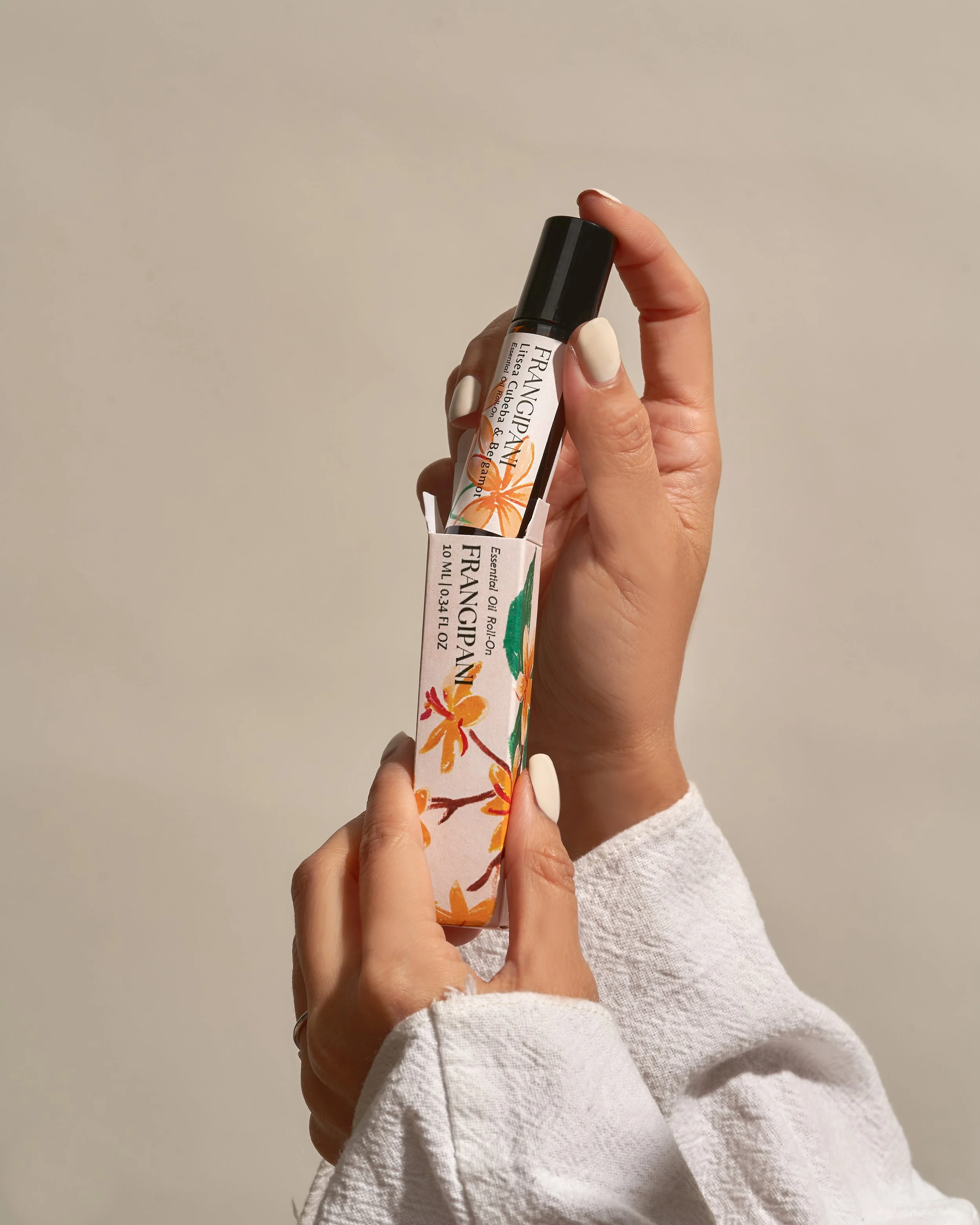
Small, leak‑proof roll-ons fit in backpacks, laptop bags, and even pockets, so remote workers and students can refresh during transit, study sessions, or long campus days. For a ready-made option designed for on-the-go boosts, try the Litsea Cubeba & Bergamot Roll-On to keep consistent, portable aromatherapy within reach.
Making the Switch: What to Expect
When energetic essential oils kick in
Inhalation can produce a noticeable lift within minutes—peppermint, rosemary and citrus are commonly quickest to act. Expect short-lived peaks (30–90 minutes) after a sniff or roll-on and subtler, cumulative benefits over days to weeks as you pair oils with better sleep and hydration; they aren't the same as a stimulant hit from caffeine.
Skin sensitivity and roll-on dilution
Always patch-test a blend before regular use. For adult daily roll-ons aim for a 1–2% dilution (about 2–4 drops of essential oil in a 10 ml roller); use lower concentrations for facial or sensitive skin and avoid broken or inflamed areas—see trusted dilution guidance for details.
Gradual caffeine reduction to avoid withdrawal
Reduce caffeine slowly: cut 10–25% every 3–4 days, swap one beverage for decaf or tea, and introduce aromatherapy at times you’d normally drink caffeine to blunt the slump. Withdrawal symptoms (headache, low energy) commonly last 2–7 days; seek medical advice if severe.
When to use oils and when to keep caffeine
Use essential oils for morning focus, midday slumps, or quick mental clarity. Keep caffeine for high-intensity tasks or prolonged physical demands, or combine a lower caffeine intake with aromatherapy to maintain performance while reducing reliance on stimulants.
Your New Energy Toolkit
Build a kit of energetic essential oils
Start with a few versatile oils—peppermint, sweet orange, and rosemary—and three delivery methods: a diffuser for work blocks, a diluted roll-on for quick inhalation, and a room mist for mid‑afternoon refreshes. Practice 30–60 second inhalations or a brief steam inhalation to reset focus. For simple, evidence‑based guidance on safe aromatherapy methods, see reputable clinical resources on aromatherapy practices.
Experiment to find personal favorites
Test one new oil or blend per week and keep a short log of mood, alertness, and any sensitivities. Use sample vials or blends at low dilution and rotate seasonally—what energizes you in morning may relax you at night. Small experiments reveal true personal responders faster than guessing.
Sustain energy, cut stimulant reliance
Swapping a quick scent ritual for a caffeine sprint reduces crashes and supports better sleep long term; reviews show aromatherapy can lower fatigue and improve sleep quality. Replace one daily stimulant moment with a five‑minute aromatherapy break and track how your baseline energy shifts over two weeks.
Frequently Asked Questions
Can essential oils fully replace my caffeine intake?
Essential oils provide a natural boost that can reduce reliance on caffeine but may not fully replace its stimulant effects for high-intensity physical demands. Combining reduced caffeine with aromatherapy often works best.
How quickly do energetic essential oils work?
Many oils like peppermint, rosemary, and citrus can produce noticeable alertness within minutes of inhalation, with effects lasting 30 to 90 minutes.
Are there safety concerns when using essential oils for energy?
Yes, always dilute oils appropriately, avoid broken skin, patch-test for sensitivities, and consider medical guidance for conditions like seizure disorders or pregnancy.
What are the best methods to use essential oils at work?
Discreet methods such as roll-ons on pulse points, personal inhalers, or placing a drop on a cotton pad inside a closed mug are effective and considerate of shared office spaces.
Can aromatherapy help with caffeine withdrawal symptoms?
Aromatherapy can ease mental fatigue and mood shifts during caffeine reduction, especially when combined with gradual tapering of caffeine intake over days to weeks.