Aromatherapy Oils for Bath: How to Turn Any Soak into a Ritual
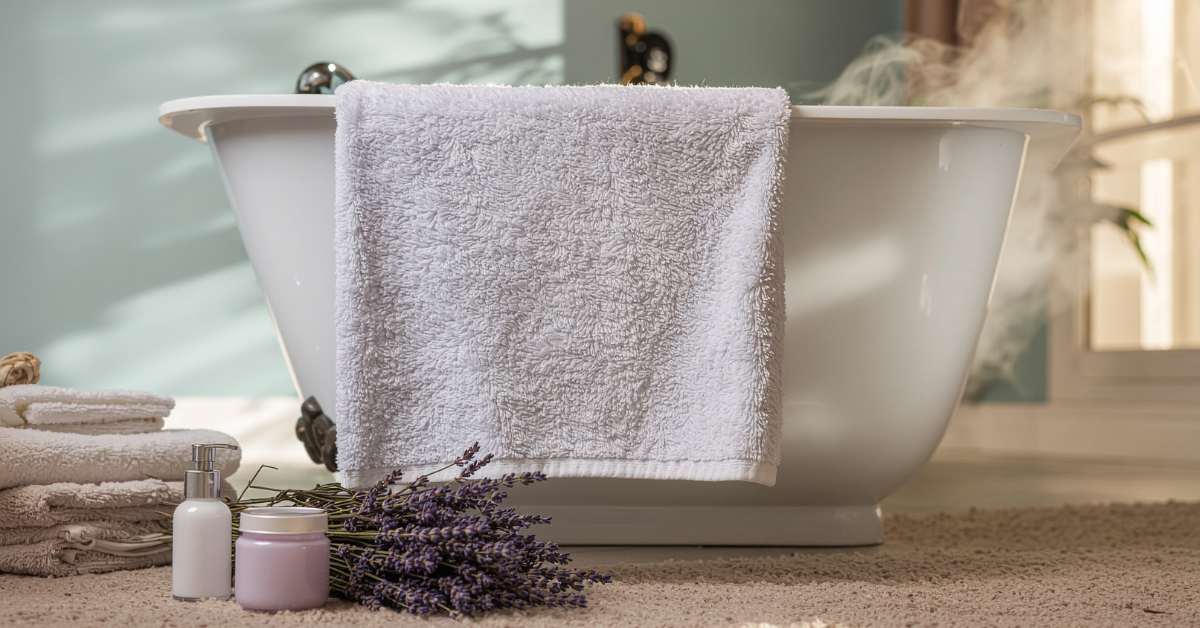
There is something almost defiant about a long bath. It is a decision to pause — not just to get clean, but to actually be somewhere for a little while. When I first moved to the US from Taiwan, that was one of the things I leaned on most. The familiar scents of home — frangipani trees, lemongrass, the cool green note of a forest — felt very far away. A few drops of the right essential oil in warm water changed something small but meaningful about those evenings.
That is, at its simplest, what aromatherapy in the bath is about. The combination of heat, steam, and scent creates one of the most accessible forms of sensory self-care available. And once you understand a little of how it works — and which oils to reach for — it becomes something genuinely worth building a ritual around.
Key Takeaways
Warm water opens the pores and amplifies how essential oils absorb and diffuse, making baths a highly effective aromatherapy method.
Always dilute essential oils in a carrier oil before adding to bathwater — undiluted oils can irritate skin.
Different oils serve different intentions: calming, uplifting, grounding, or skin-nourishing.
Hinoki, frangipani, bergamot, jasmine, and litsea cubeba are among the most versatile and bath-friendly botanicals.
Less is more — 5 to 8 drops per bath is typically sufficient.
Why the Bath Is One of the Best Ways to Use Aromatherapy Oils
Aromatherapy works through two primary pathways: inhalation and skin absorption. A warm bath activates both at once. As the water heats, it creates a gentle steam that carries aromatic compounds upward, where they reach the olfactory receptors and travel quickly to the brain's limbic system — the region that processes emotion and memory. At the same time, the warmth softens the skin and supports absorption of the oil's active constituents.
Research published in PubMed found that a blend of lavender and bergamot applied to the skin produced measurable decreases in pulse rate and blood pressure, with participants rating themselves as significantly calmer and more relaxed — evidence that topically applied aromatic oils can have real physiological effects. A comprehensive review in PubMed further confirmed essential oils' potential as anxiolytic, anti-inflammatory, and mood-supporting agents when used through established aromatherapy methods.
The bath, in this sense, is not just a pleasant setting. It is genuinely one of the most efficient ways to use essential oils.
The Essential Rule: Always Dilute First
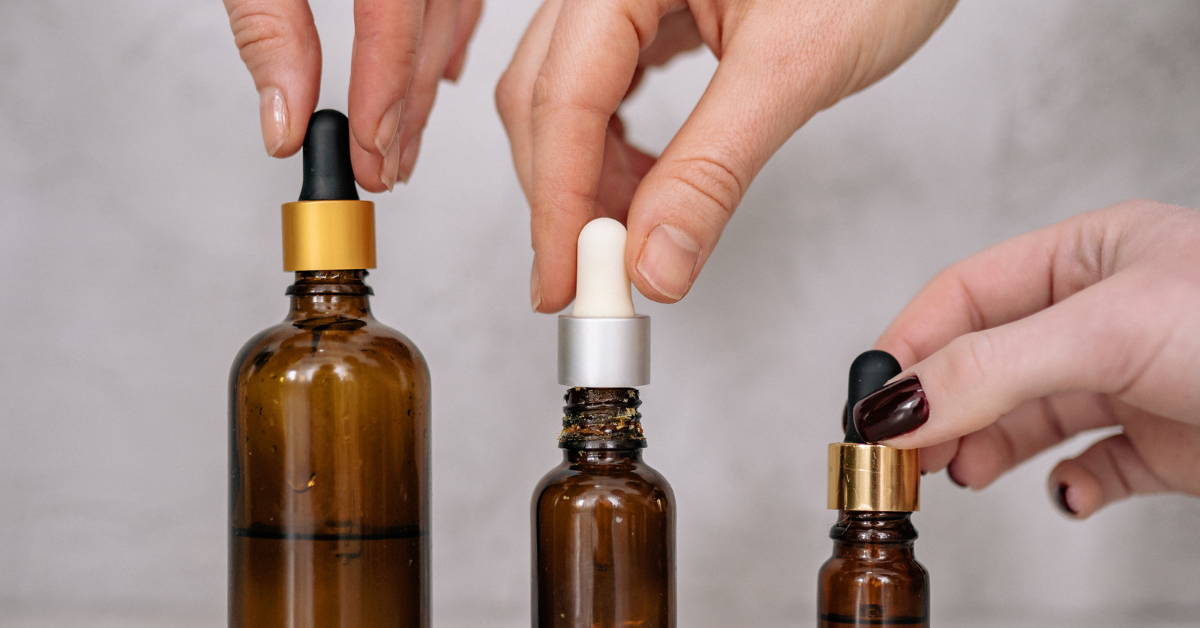
Before getting into which oils to use, this matters enough to say clearly: essential oils should never go directly into bathwater undiluted. They do not dissolve in water — they float, which means any concentrated drops that land on your skin may cause irritation or sensitization, particularly in areas already softened by heat.
The solution is simple. Mix your chosen essential oils into a carrier oil first — something like jojoba, sweet almond, or a high-quality body oil — then add that blend to the bath. The carrier acts as an emulsifier, distributing the oils more evenly and ensuring safe contact with your skin.
For a single bath, 5 to 8 drops of essential oil in about a teaspoon of carrier oil is a reasonable starting point. You can always adjust from there based on preference.
The Best Aromatherapy Oils for the Bath, and What Each One Does
Not every oil is equally suited to a bath ritual. Some are better suited to diffusing; others can be too stimulating right before sleep. Here are five botanicals that genuinely shine in a bathing context.
Hinoki
If you have ever stepped into a Japanese cedar bathhouse, you already understand why hinoki essential oil has a near-ritual status in Japan. The oil is extracted from Chamaecyparis obtusa — a conifer native to central Japan — and carries a soft, woody, faintly resinous scent that reads as both calming and clean. In a warm bath, that combination is particularly effective: grounding enough to quiet a busy mind, fresh enough not to feel heavy. It is one of the first oils we included in the Frangipani line for exactly this reason.
Jasmine & Frankincense
Few combinations work as well in a bath as jasmine and frankincense. Jasmine is floral and warm; frankincense adds depth and a meditative, resinous quality that encourages longer, slower breathing. Together they create a sensory environment that is genuinely conducive to letting go of the day. Our Jasmine & Frankincense Essential Oil Roll-On blends both botanicals thoughtfully and can also be mixed into a small amount of carrier oil for the bath — the roll-on format makes it easy to measure a precise amount.
Litsea Cubeba
For a morning bath — or any time you want the scent to energize rather than wind you down — litsea cubeba essential oil is worth knowing. The oil comes from the fruit of Litsea cubeba, a small tree native to Southeast Asia, and has a bright, lemony-citrus quality that is more complex and less sharp than straight lemon or grapefruit. It has long been used in traditional medicine in China and Thailand, and in a bath, a few drops lift the mood without overwhelming the senses.
Bergamot
Bergamot is one of the most well-researched oils in aromatherapy and one of the most versatile. Its scent — a complex mix of citrus, floral, and slightly spiced — has been shown in studies to have meaningful anxiolytic effects when combined with other calming botanicals. It pairs naturally with litsea cubeba in our Litsea Cubeba & Bergamot Roll-On, which can be adapted for a bath soak as easily as it can be used on pulse points.
Frangipani Body Oil
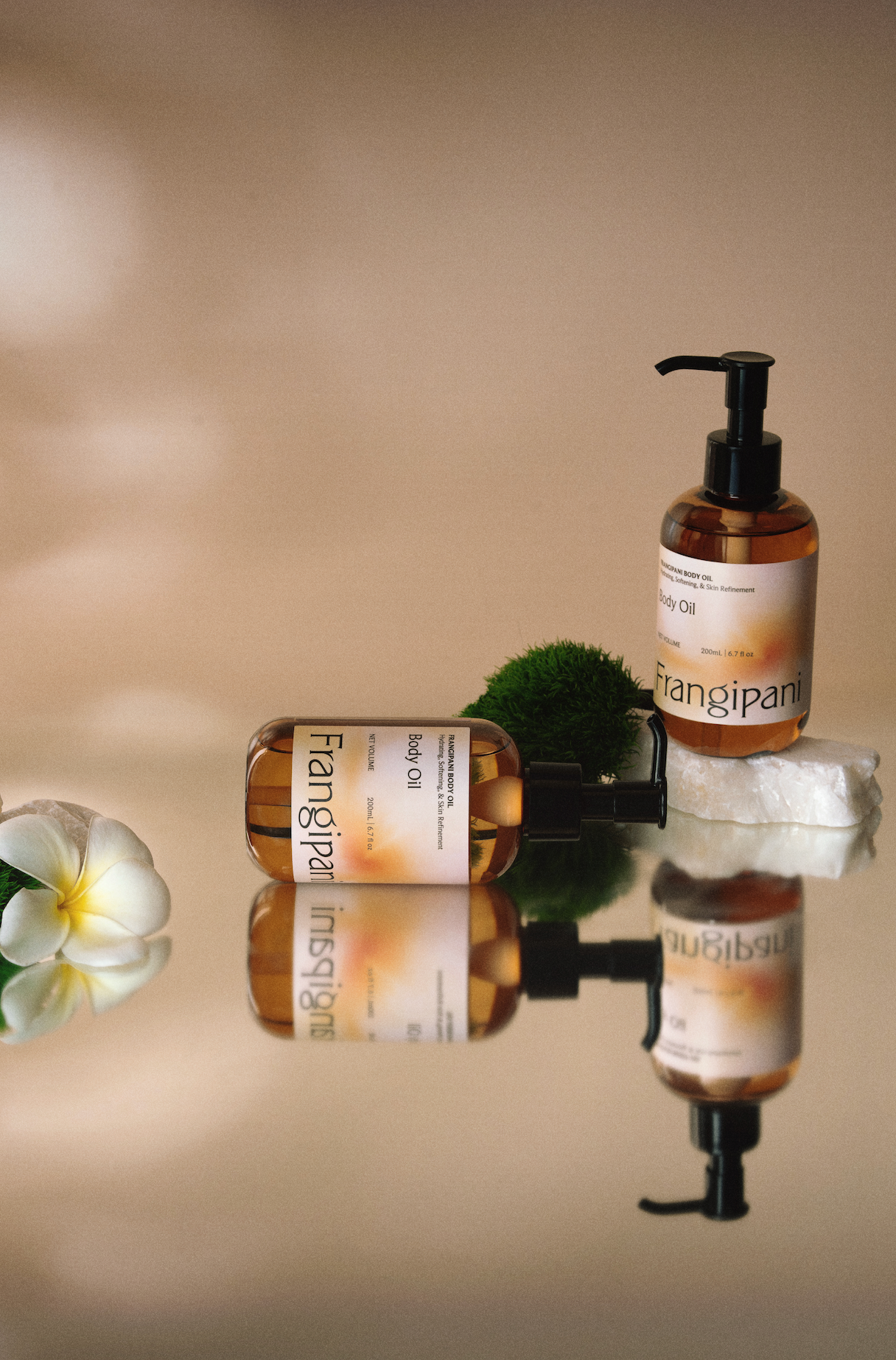
Our Frangipani Hydrating and Softening Body Oil works equally well in the bath and after it. A small pour into warm water — about a capful — adds a delicate floral scent while also leaving skin noticeably softer when you step out. Because it's already formulated with a carrier base, there's no separate dilution step required. It was designed with exactly this kind of use in mind: something that works as a bath oil and a skin treatment at once.
How to Structure an Aromatherapy Bath Ritual
The actual practice is straightforward, but a few small details make a real difference.
Water temperature: Warm, not scalding. Very hot water can be too stripping for skin and can cause some lighter essential oil compounds to evaporate before you step in. Around 37–38°C (98–100°F) is a good range.
Timing: Add your oil blend after the tub is full, not while it's running. This keeps the volatile compounds in the water rather than steaming off during the fill.
Duration: 15 to 20 minutes is long enough for the aromatherapy benefits to register without your skin becoming overly waterlogged.
Lighting: Soft lighting or candles make a genuine difference to how quickly you mentally shift gears. The sensory environment matters.
After: Pat skin dry rather than rubbing, and follow with a body oil while the skin is still slightly damp to seal in moisture.
For more on how essential oils interact with the body and the different ways to use them, our Essential Oils 101 page covers the fundamentals clearly, and our How to Use Essential Oils guide goes deeper on methods including topical use.
Pairing Scents for Different Moods
Part of what makes aromatherapy interesting is that you are not locked into a single oil. Layering two or three compatible botanicals can create something more nuanced — and more personal — than any single scent alone.
For calm and sleep preparation: hinoki + jasmine + frankincense. Grounding, warm, and deeply relaxing.
For mood lift and energy: litsea cubeba + bergamot. Bright, clean, and uplifting without being jarring.
For skin nourishment and simple luxury: frangipani body oil, used on its own or with a few drops of jasmine. Soft, floral, and quietly restorative.
A systematic review in Frontiers in Medicine confirmed that essential oils including lavender and rosemary showed meaningful anti-inflammatory and skin-conditioning effects when applied topically — reinforcing the idea that a well-chosen bath oil does more than just smell good.
A Small Thing That Adds Up
I think about the frangipani tree outside my grandmother's house in Thailand sometimes — how it was just there, part of the landscape, something I took for granted until I couldn't smell it anymore. That is the thing about scent: you only notice how much it matters when it's gone.
A bath with the right aromatherapy oil is not a cure-all. But it is a genuine, accessible way to give yourself fifteen minutes of something intentional. The combination of heat, steam, and scent is one of the oldest forms of self-care in the world — Hippocrates reportedly prescribed daily aromatic baths as part of his approach to health — and it holds up for good reason.
Start with one oil. See how it sits with you. Build from there.
Frequently Asked Questions
Can I put essential oils directly into my bath?
No — essential oils should never be added directly to bathwater without dilution. They don't dissolve in water and can pool on the surface, potentially causing skin irritation. Always mix them into a carrier oil (like jojoba or almond oil) first, then add the blend to the bath. A pre-formulated bath oil such as our Frangipani Body Oil is already diluted and can be added directly.
How many drops of essential oil should I use in a bath?
5 to 8 drops is a good starting point for a standard bathtub. Dilute those drops in a teaspoon of carrier oil before adding to the water. More is not necessarily better — many essential oils become irritating at higher concentrations, particularly in a warm bath where the skin is more sensitive.
What essential oils are best for a relaxing bath?
For relaxation, look to calming, grounding botanicals: hinoki, jasmine, frankincense, and lavender are all well-suited to a winding-down bath. Bergamot is also excellent — it has a proven anxiolytic effect and blends well with other calming oils. Our Jasmine & Frankincense Roll-On and Hinoki Essential Oil are both designed for exactly this kind of use.
Are aromatherapy oils safe for the bath?
When used correctly, yes. The key safety practice is dilution — always mix essential oils into a carrier before adding to the bath. Avoid using essential oils in a bath during pregnancy without medical guidance, and do a patch test if you're trying a new oil for the first time. Some oils (like cinnamon or clove) are too irritating for skin contact and should not be used in the bath at all.
What is the difference between a bath oil and an essential oil for the bath?
A bath oil is already formulated with a carrier base and is ready to add directly to water. An essential oil is concentrated and must be diluted before use in a bath. Both can be used for aromatherapy, but bath oils tend to be gentler and more convenient, while single essential oils give you more control over scent composition and intensity.
Can I use a roll-on essential oil in the bath?
Yes, with a small adjustment. Roll-on essential oils are already diluted in a carrier, which makes them safer for skin than a raw essential oil. For a bath, you can roll the oil into a small dish, then add it to the bathwater — or simply apply it to your pulse points and skin before stepping in, and let the steam and warmth do the rest.