Essential Oil Rollers: How to Use Them, Where to Apply, and Why They Work
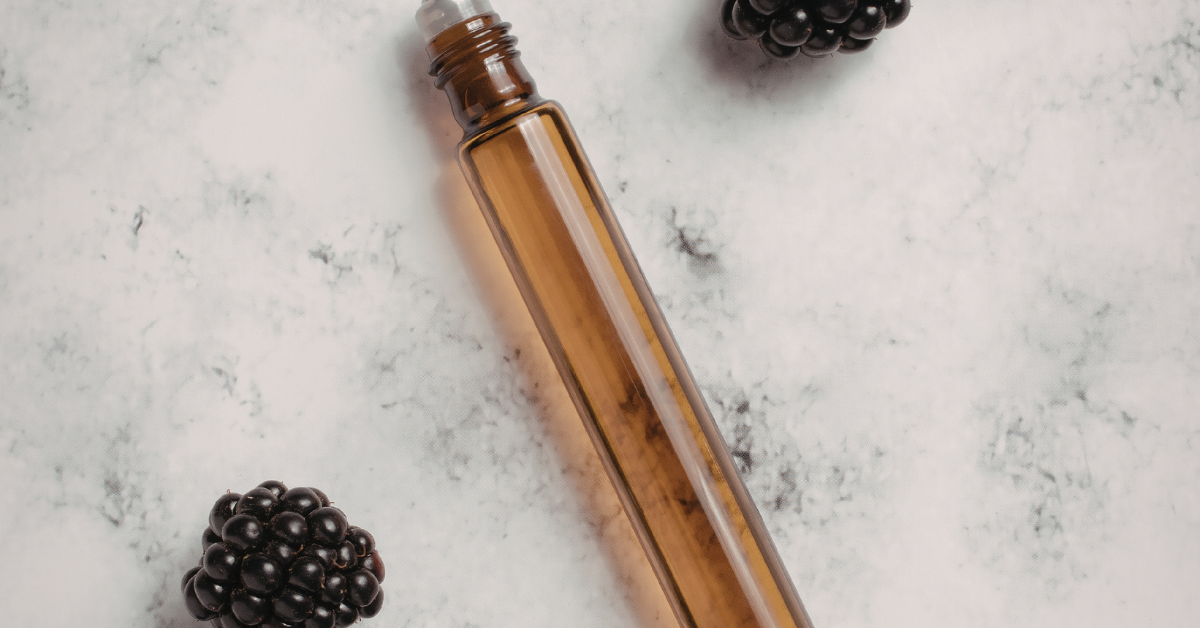
There's something quietly satisfying about keeping a small roller in your bag. It takes up almost no space, it doesn't spill, and whenever you need a moment to reset — before a meeting, after a long commute, right before bed — it's just there, waiting. No diffuser required, no complicated routine. Just roll, breathe, and carry on.
Essential oil rollers have become one of the most popular ways to incorporate aromatherapy into daily life, and it's easy to see why. But with so many options out there, it helps to understand what actually makes a good rollerball, how to use one properly, and which oils are worth reaching for depending on what you need.
Here's a closer look at everything you need to know about essential oil rollers — from how they work to how to choose the right one.
Key Takeaways
Essential oil rollerballs are pre-diluted blends designed for direct skin application — no measuring or mixing needed.
Pulse points (wrists, temples, behind the ears, inner elbows) are the most effective places to apply, as warmth there helps diffuse the scent.
The carrier oil matters: look for skin-nourishing bases like jojoba or sweet almond oil rather than alcohol-based formulas.
Different blends serve different purposes — from calming florals for evening wind-downs to bright citrus blends for an afternoon lift.
Quality ingredients make a real difference in how long the scent lasts and how your skin feels afterward.
A 10ml roller is portable enough for a pocket or purse, making it a practical addition to any wellness routine.
What Is an Essential Oil Roller (and How Is It Different from a Pure Oil)?
An essential oil roller — sometimes called a rollerball or roll-on — is a small bottle fitted with a stainless steel or glass ball applicator. The bottle itself contains a blend of essential oils already diluted in a carrier oil, making it ready to apply directly to the skin without any additional preparation.
That's the key distinction. Pure essential oils are highly concentrated and should generally not be applied undiluted to skin. A roller takes care of that step for you, combining therapeutic-grade essential oils with a base like jojoba, sweet almond, or fractionated coconut oil at a safe, skin-friendly ratio.
The rollerball itself serves two purposes: it allows for precise, controlled application, and the slight pressure of rolling can feel grounding and calming in its own right — almost like a small ritual rather than just putting on a product.
Why Pulse Points? The Science Behind Where You Apply
You'll often hear that essential oil rollerballs should be applied to pulse points, and there's a good reason for that. Pulse points are areas where blood vessels sit close to the surface of the skin — your inner wrists, temples, the sides of your neck, behind your ears, and your inner elbows. These spots tend to be slightly warmer than the rest of your body, and that warmth helps the essential oils gently volatilize, releasing their aromatic molecules into the air around you.
When those aromatic molecules are inhaled, they travel through the olfactory system to the brain. According to a clinical review published in PMC, this olfactory pathway triggers responses in the amygdala — the part of the brain associated with emotional processing — as well as the hippocampus, which plays a role in memory formation. This is why certain scents can shift your mood almost immediately, or transport you somewhere completely different without warning.
A study published in PubMed on the effects of blended essential oils applied topically found that participants showed measurable decreases in pulse rate and blood pressure compared to a placebo group. Those in the essential oil group also rated themselves as feeling calmer and more relaxed. It's a small window into why this practice has persisted across cultures for centuries — and why it still resonates today.
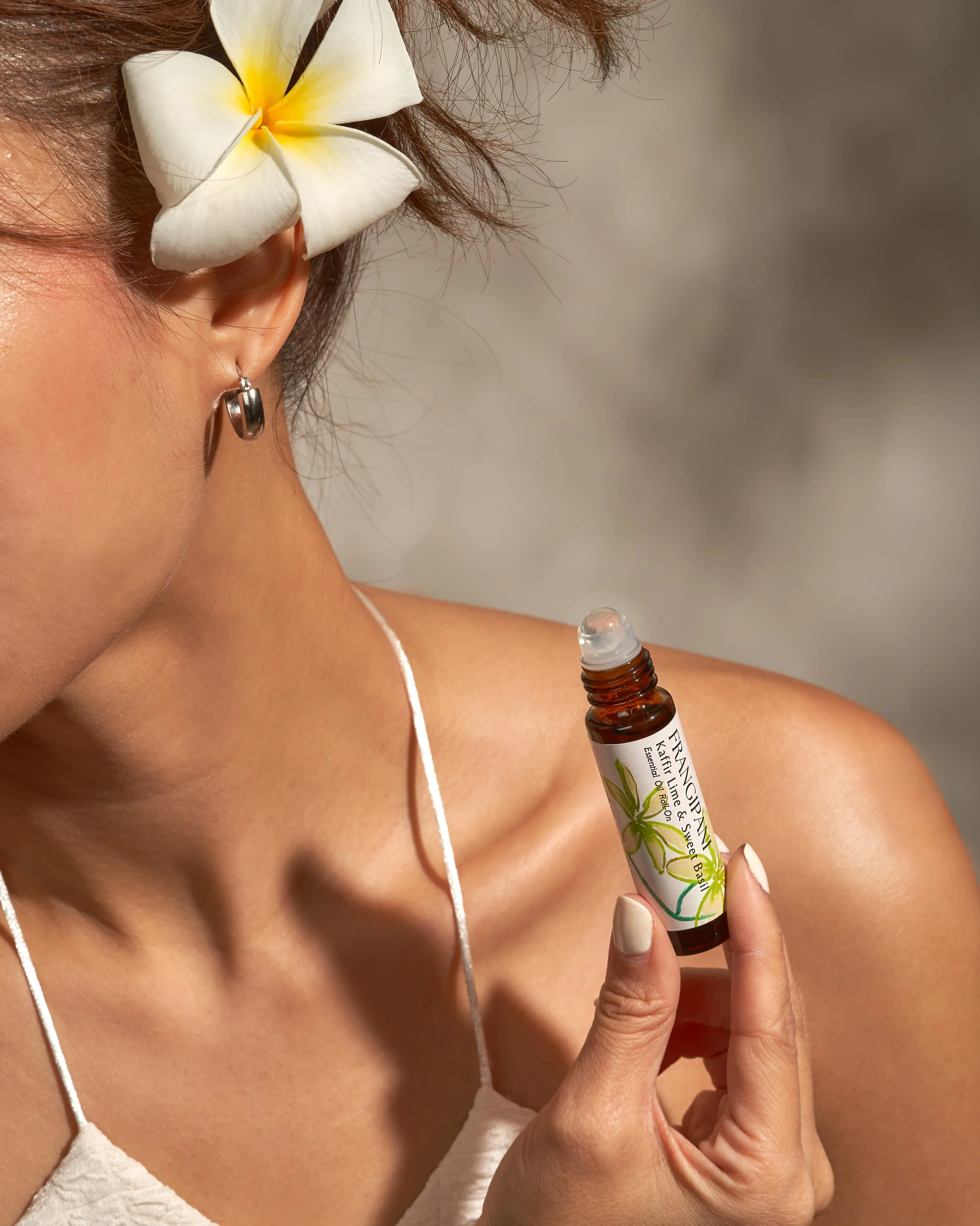
How to Apply an Essential Oil Roller Properly
Using an essential oil roll-on is simple, but a few small habits make it noticeably more effective.
Choose your pulse point based on your goal
Wrists are the easiest to access and great for general use throughout the day. Temples are helpful when you're dealing with tension or need mental clarity. Behind the ears and along the sides of the neck are particularly effective for relaxation, since the warmth of those areas helps the scent carry upward.
Apply gently — don't rub
Roll the applicator across the pulse point once or twice, then let it absorb naturally. Rubbing the area can actually break down some of the more delicate aromatic compounds and shorten the scent's longevity. Let your skin do the work.
Breathe intentionally after applying
This might sound obvious, but it matters. After rolling, bring your wrist or fingers close to your nose and take a slow, deliberate inhale. The olfactory pathway works through breathing, so the more fully you inhale, the more you engage the aromatherapy effect. Even a few deep breaths can shift the quality of a moment.
Reapply as needed throughout the day
Natural essential oils dissipate faster than synthetic fragrances, which is part of what makes them so gentle. Most roll-ons last two to four hours on skin, depending on the carrier oil and the concentration of the blend. A quick reapplication at midday or before an evening transition is completely normal.
What to Look for in a Quality Essential Oil Rollerball
The rollerball market ranges widely — from pharmacy impulse buys to carefully formulated blends. Here's what separates a good one from a forgettable one.
Therapeutic-grade essential oils: Look for oils that have been GC-MS tested (gas chromatography-mass spectrometry), which verifies both purity and chemical composition. This is the clearest indicator that what's in the bottle matches what's on the label.
A nourishing carrier oil: The carrier oil makes up the majority of the bottle. Jojoba oil closely mirrors the skin's natural sebum and absorbs cleanly without feeling heavy. Sweet almond oil is similarly lightweight and also provides a slight conditioning benefit. Avoid products that use alcohol as a base — it dries the skin and causes the scent to evaporate quickly.
Thoughtfully composed blends: A good rollerball isn't just one oil diluted in another. The most effective blends layer top, middle, and base notes — just like a well-constructed perfume — so the scent evolves slightly over time and doesn't just disappear within minutes.
Appropriate concentration: A well-formulated roll-on for daily use typically sits between 3% and 5% essential oil concentration. High enough to be effective; gentle enough for regular application without irritating sensitive skin.
Choosing a Blend That Matches What You Actually Need
One of the most useful things about essential oil rollers is how targeted they can be. Rather than a general "relaxing" scent, a well-designed blend is built around a specific effect. Here's how to think about it:
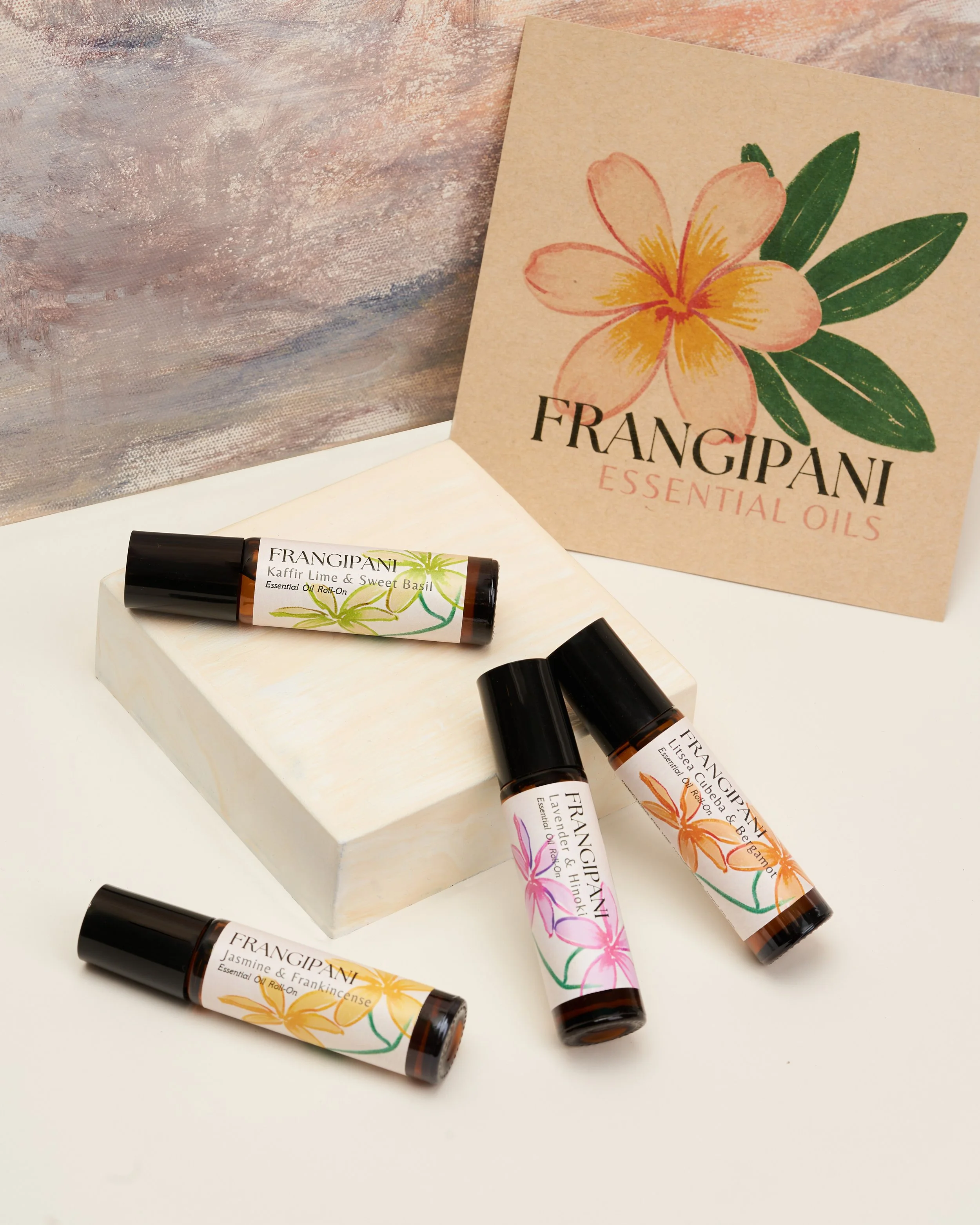
For unwinding and emotional calm: Floral and resinous combinations tend to work well here. Jasmine is traditionally associated with ease and inner peace in many Asian wellness traditions. Paired with the warm, grounding quality of frankincense, it creates something that feels less like a fragrance and more like a breath of space. The Jasmine & Frankincense Essential Oil Roll-On from Frangipani was built precisely around this — a blend inspired by the quiet of Asian temples, designed for the moments when you need to come back to yourself.
For a mood lift and daytime energy: Citrus-forward blends are bright without being harsh. Litsea cubeba (sometimes called May Chang) is a botanical native to Southeast Asia with a clean, lemony quality that's lighter and more nuanced than standard citrus oils. Blended with bergamot, it has an almost effervescent quality — uplifting and warm at the same time. The Litsea Cubeba & Bergamot Essential Oil Roll-On was inspired by the sun-drenched landscapes of Thailand, and it shows.
For sleep and evening rituals: Lavender remains one of the most well-researched essential oils for relaxation and sleep support. Paired with hinoki — a revered Japanese cypress with a warm, woody character — it becomes something richer and more meditative than lavender alone. The Lavender & Hinoki Essential Oil Roll-On is the kind of thing you reach for at the end of the day, not because you have to, but because the routine becomes its own comfort. It pairs naturally with any essential oils for sleep ritual you already have in place.
If you're new to aromatherapy and want to build a broader understanding of how these oils work and why they're chosen for specific uses, the Essential Oils 101 section of the Frangipani site is a good starting point.
Essential Oil Rollers and Mindfulness: A Small Practice, Not Just a Product
There's a version of using a roller where you just mindlessly swipe it on while doing something else, and there's another version where it becomes a quiet anchor in your day. The second one is better.
The act of applying an essential oil roller can serve as a micro-ritual — a deliberate pause that signals to your nervous system that something is shifting. This is especially useful at transition points: the moment before a presentation, the commute home when you're carrying the weight of the day, the five minutes before you try to sleep. Scent, applied with intention, can help the mind follow.
This is something deeply embedded in Asian wellness traditions. In Japan, the concept of
forest bathing (shinrin-yoku) is built around the idea that immersing yourself in natural scents — particularly the terpene-rich air of forests — has measurable physiological effects. Hinoki wood, used in traditional Japanese temple architecture, carries many of those same aromatic compounds. When it's part of a rollerball you carry with you, you're bringing something of that experience into the everyday. If that kind of intentional practice resonates with you, it pairs especially well with a meditation routine.
A Few Things to Keep in Mind
Essential oil rollerballs are generally very gentle when properly formulated, but a few precautions are worth noting:
Always do a patch test before applying a new blend to a large area of skin, especially if you have sensitive skin.
Even pre-diluted formulas can cause irritation for some people. If you notice any redness or discomfort, discontinue use.
Some citrus-derived oils (bergamot in particular) can be phototoxic. Avoid applying them to skin that will be directly exposed to strong sunlight immediately after application.
Keep your roller away from eyes and mucous membranes.
If you are pregnant, nursing, or managing a health condition, check with your healthcare provider before adding essential oils to your routine.
Frequently Asked Questions
What is an essential oil roller used for?
An essential oil roller (also called a rollerball or roll-on) is a pre-diluted blend of essential oils in a carrier oil, designed for direct application to the skin. People use them for a wide range of purposes — stress relief, mood support, better sleep, focus, or simply as a natural personal fragrance. They're especially popular because they're portable, easy to use, and require no additional equipment like a diffuser.
Where do you apply essential oil rollers?
The most effective places are pulse points — your inner wrists, temples, behind the ears, sides of the neck, and inner elbows. These areas are slightly warmer than the rest of the body, which helps the aromatic compounds diffuse more effectively. For relaxation, the neck and temples work particularly well. For an energy boost or mood lift, the wrists are easy to access throughout the day.
How long does an essential oil rollerball last on skin?
Most natural essential oil rollerballs last roughly two to four hours on skin, though this varies depending on the specific oils in the blend, the carrier oil used, and your individual skin chemistry. Reapplying as needed is perfectly fine and often preferable to a heavy initial application.
Are essential oil roll-ons safe to use every day?
For most people, yes — when a roller is properly formulated with an appropriate dilution ratio (typically 3–5% essential oil to carrier oil), daily use on pulse points is generally well-tolerated. That said, everyone's skin is different, and it's always a good idea to patch test a new product before regular use, especially if you have sensitive skin or known botanical allergies.
What's the difference between an essential oil roller and a perfume roller?
A perfume roller is primarily designed for fragrance, and often contains synthetic aroma compounds in an alcohol base. An essential oil roller uses real, plant-derived essential oils in a carrier oil base. The experience is softer and more natural, the scent development is different (often evolving over time with the warmth of your skin), and the ingredients are chosen for both aroma and therapeutic effect rather than purely for scent longevity.
Can I use an essential oil rollerball for meditation or sleep?
Absolutely. Applying a calming blend to your pulse points before meditation or bed can serve as a sensory cue that helps your mind shift into a quieter state. Floral and woody blends — like jasmine with frankincense, or lavender with hinoki — are particularly well-suited for this kind of use. Pairing the roller with a few slow, intentional breaths after application can amplify the effect.
Essential oil rollers are, at their core, a small and practical thing. But used with a bit of intentionality, they become something more — a sensory anchor, a quiet ritual, a way of carrying a sense of calm or joy with you wherever the day takes you. The right blend, applied to the right place, at the right moment, is a genuinely useful thing to have on hand.
Explore Frangipani's collection of essential oil roll-ons each formulated with Asian botanicals, GC-MS tested ingredients, and carrier oils chosen for both skin feel and longevity. Small bottles, thoughtfully made.