What Does Body Oil Do? The Complete Guide to Glowing, Nourished Skin
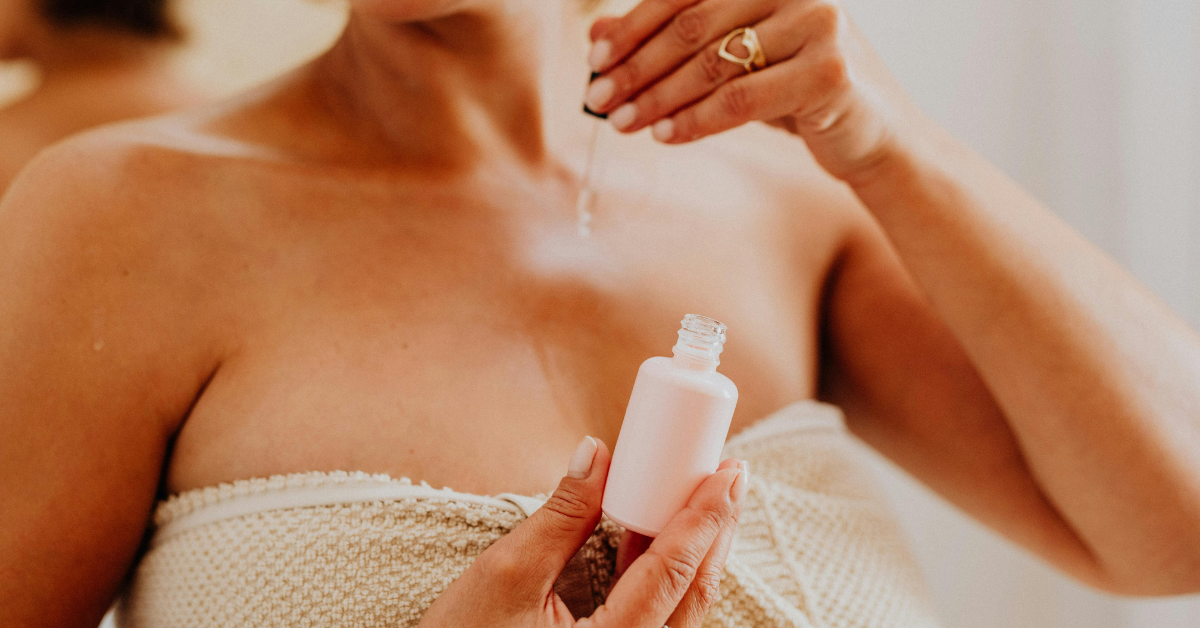
There is a specific kind of quiet that settles in after a long day, usually right as I’m stepping out of a warm shower. For a long time, I’d rush through moisturizing, slapping on a standard lotion just to check the box. But I noticed that by the time I woke up, that hydrated feeling had completely evaporated. It wasn't until I started experimenting with body oils—slowing down to massage them into damp skin—that the "slump" in my skin’s texture finally lifted. It turned a chore into a ritual. I’ve found that a simple, intentional breath of a botanical oil can do what a heavy cream can’t: it sinks in to clear the "fog" of dry, tight skin without the greasy weight.
Key Takeaways
Body oils lock in hydration by forming a breathable protective layer on the skin.
They supply essential fatty acids that help rebuild and strengthen the skin barrier.
Oils differ from lotions in absorption and lasting moisture, making them ideal for dry or mature skin.
Applying body oil to damp skin maximizes hydration and improves texture.
Choosing the right oil based on your skin type and ingredient quality is key to avoiding irritation.
What Does Body Oil Do? More Than You Think
Wondering what does body oil do beyond the bottle’s glossy promise? It’s easy to think of body oil as just a heavier lotion but that misses how it interacts with skin at a biochemical level. I’ve tried switching from cream to oil, and the difference goes beyond texture: oils can protect, feed, and even help rebuild the barrier.
Not just a heavy moisturizer
Many people assume oil simply sits on top of skin. In reality, some oils form a breathable occlusive layer that locks in hydration while others penetrate to deliver fatty acids — so they can feel lightweight or rich depending on the formula and skin type.
How oils work on the skin barrier
At the molecular level, botanical oils do three complementary things: reduce transepidermal water loss, supply essential fatty acids used for ceramide synthesis, and calm inflammation. Clinical work suggests linoleate-rich oils in particular can enhance barrier function, improving overall skin resilience.
Plant lipids and skin chemistry
Plant oils can act as occlusives, building blocks for skin lipids, and antioxidant/anti-inflammatory agents all at once. Later in this guide you’ll learn which plant-based lipids (like linoleic vs. oleic-rich oils) suit dry, sensitive, or acne-prone skin, and why choosing the right fatty-acid profile matters for long-term barrier health (see this skin barrier restoration overview).
How Body Oil Actually Works on Your Skin
Wondering what does body oil do beyond leaving a glow? At its core, body oil supports the skin barrier and delivers lipids that complement your skin’s own oils. This section explains how body oil absorption works and why oils behave differently than water-based products.
Skin barrier structure and how oils integrate
The outermost layer of skin, the stratum corneum, is a mosaic of corneocytes set in lipid “mortar” made of ceramides, cholesterol, and free fatty acids. Oils sit in and alongside this lipid matrix, helping to replenish and stabilize the barrier rather than forcing their way through cells. For a detailed look at how human skin lipids form interconnected pools, see research on skin lipid barrier structure.
Molecular size: why oils penetrate differently than water
Unlike water, which evaporates quickly from the skin surface, many oil molecules—especially smaller triglycerides and fatty acids—can slip between lipid layers of the stratum corneum. Studies on lipid interactions and permeability support this behavior in artificial and biological membranes.
The idea of “breathable hydration”
“Breathable hydration” is the concept that oils lock in moisture without suffocating the skin. Oils reduce transepidermal water loss (TEWL) by reinforcing the lipid matrix, but they still allow gas exchange and normal skin turnover. Think of oils as patching small holes in a leaky roof rather than sealing the entire roof shut.
How plant-based lipids mimic your skin’s natural oils
Many plant oils contain fatty acids, triglycerides, and minor lipids similar to human sebum and epidermal lipids. These compatible components can integrate with skin lipids and improve clinical measures of barrier function—especially when the oil contains linoleic acid, oleic acid, or ceramide precursors. For experimental correlations, see this review of molecular interactions.
Body oils don’t magically “penetrate” to change deep layers; they work in and around the skin’s lipid barrier to reduce water loss and restore lipid balance.
When it comes to molecular behavior, body oil integrates into the lipid matrix to reduce TEWL, while water-based products hydrate superficially and often require humectants to retain that water. In terms of penetration, oil redistributes within the stratum corneum lipids, whereas water-based formulas mostly remain on or just below the surface unless enhancers are present. Consequently, the best use for body oil is barrier repair and long-lasting hydration, while water-based products excel at immediate hydration and layering.
If you have a compromised barrier (eczema, dermatitis), choose oils with proven compatibility and patch-test first—some oils can irritate inflamed skin rather than help it.
What does body oil do — the real benefits
Wondering what does body oil do for your skin beyond a pleasant scent? Think of it as more than a moisturizer. Body oils lock in hydration, support the skin’s barrier, and can add a healthy glow without heavy ingredients. I’ve tried them myself after a long flight — the difference in lasting softness is obvious.
Longer-lasting, intensive hydration
Body oils are occlusive: they form a light film that reduces transepidermal water loss, so hydration sticks around longer than with many lotions. That makes oils particularly useful in dry or cold conditions when moisture evaporates fast. For a deeper read on hydration differences, see this comparison of oils and lotions.
Skin barrier repair and resilience
Regular use of the right oils helps rebuild and strengthen the skin barrier by supplying fatty acids and lipids the skin needs. Over time, this can reduce sensitivity and water loss. If you’re curious about how oils fit into a barrier-repair routine, dermatology-backed explanations can clarify their role.
Glow, texture and anti-aging benefits
Natural glow: Oils smooth the skin surface, scattering light for a subtle sheen without shimmer agents.
Improved texture & elasticity: Consistent oiling helps soften rough patches and can make skin feel more supple over weeks.
Antioxidant delivery: Many plant oils bring vitamin E, carotenoids, and polyphenols that fight oxidative stress—a contributor to visible aging.

Massage, circulation, and feel-good effects
Applying body oil with a massage boosts local circulation and lymphatic flow. That doesn’t replace medical treatment, but it can ease muscle tension and improve skin tone. Plus, the ritual itself calms the nervous system—skin care that doubles as self-care. To experience this personally, at Frangipani we offer a lush, velvety experience that combines deep hydration with a grounding scent map of lemon, magnolia, and patchouli.
Note: Choose non-comedogenic oils if you’re acne-prone and patch-test new formulas. A little goes a long way.
Regarding hydration longevity, body oil helps by forming an occlusive layer to lock in moisture. For barrier repair, it works by supplying essential lipids and fatty acids for rebuilding. For texture and glow, it helps by smoothing the skin surface and delivering vital antioxidants.
What does body oil do vs lotion?
What does body oil do compared to lotion? In short: oils create an occlusive layer that locks in moisture, while lotions (emulsions) hydrate and absorb more quickly. Which one you choose often comes down to climate, skin type, and how long you want the effect to last.
When body oil outperforms lotion
Body oil shines in specific situations. It can reduce water loss and keep skin hydrated much longer, which is why oils are often recommended in dry climates, during winter, and for mature skin that needs extra barrier support. Studies show occlusive ingredients in oils can significantly cut transepidermal water loss.
Dry climates and winter: oil prevents moisture from evaporating.
Mature or very dry skin: oils replenish lipids and smooth texture.
After showering: applied to damp skin, oils lock in hydration efficiently.
Absorption rates and lasting power
Lotions absorb faster because they contain more water and humectants; oils sit on the surface longer and create a protective barrier. If you want quick-dry feel for daytime use, lotion wins. If you want long-lasting hydration overnight, oil usually wins.
Tip: Apply oil to slightly damp skin to trap the most water — that combo boosts performance without feeling overly greasy. A practical guide to application explains why damp-skin application matters for both product types.
Ingredient purity, concentration and cost-effectiveness
The typical feel of body oil is silky and can be greasy if over-applied, while lotion is light and quick-absorbing. The key benefit of oil is occlusion and longevity, whereas lotion focuses on hydration and active delivery. In terms of concentration, oils are much higher, meaning you use less product per use compared to lotions which contain more water and fillers. This makes the cost per use for oils often more cost-effective despite having a higher price point per bottle.
When lotion might be preferable
Lotion is better if you have oily or acne-prone skin, need a non-greasy feel for daytime, or want products that deliver actives like ceramides, vitamin C, or SPF. In humid climates or after intense activity, lotions feel fresher. Read more on seasonal choices if you want deeper guidance for winter vs. summer routines.
How to Use Body Oil for Maximum Results
Wondering what does body oil do and how to get the most from it? Use it with a simple routine and a few small technique changes.
What does body oil do on damp skin?
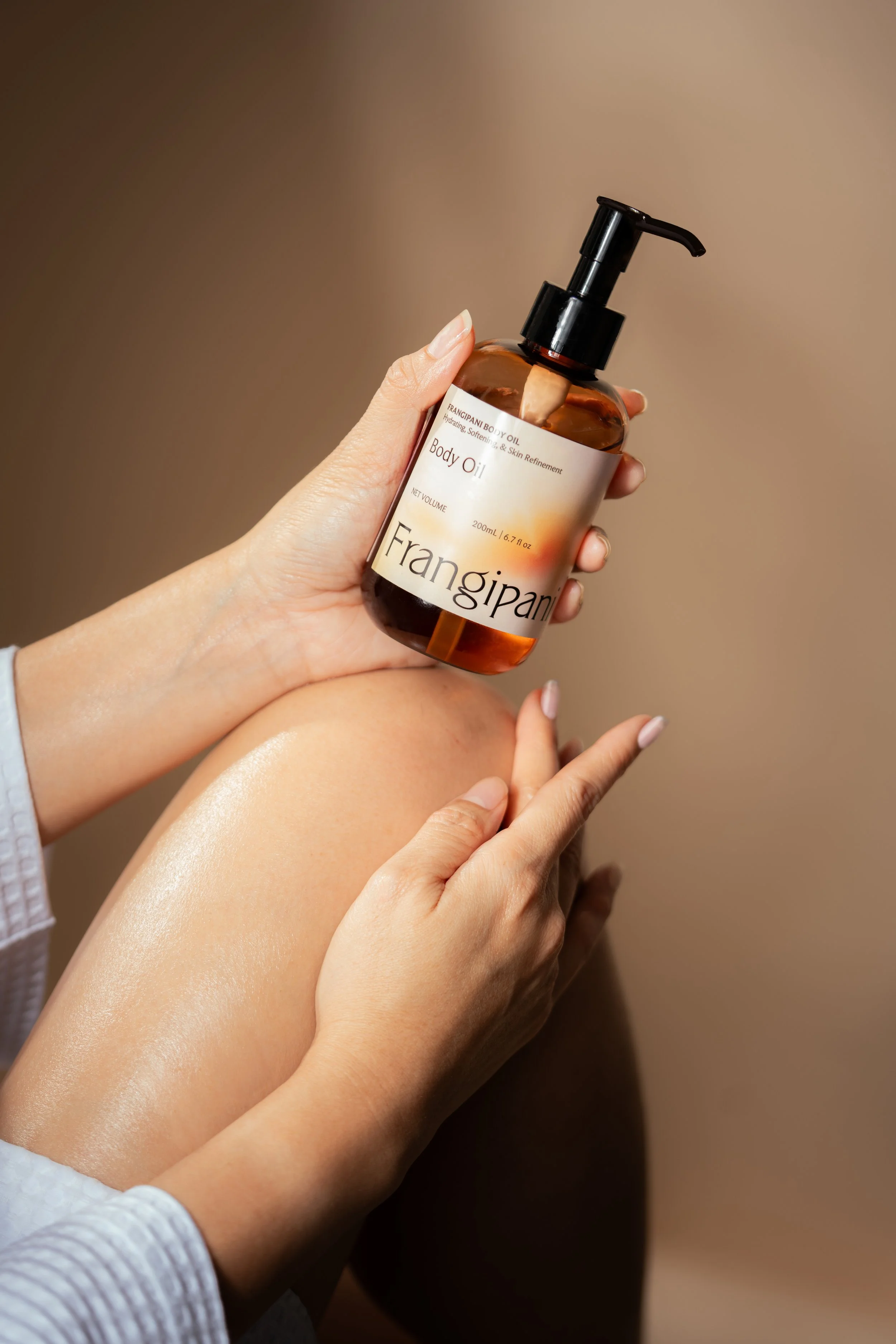
Apply oil to slightly damp skin to trap water and boost hydration. The golden rule: right after toweling off or even while still a little wet. This post-shower damp-skin method is recommended because the oil seals in moisture instead of sitting on dry, flaky skin.
Proper massage techniques for better absorption
Think slow and deliberate. Use long, sweeping strokes toward the heart to encourage circulation and even spread. For thicker areas (knees, elbows), press and roll the skin gently with your palms to help the oil sink in.
Warm 1–2 pumps in your hands before applying.
Use circular motions for joints and small areas.
Finish with light tapping for better penetration.
How much to use: finding your skin's sweet spot
Avoid the “more is better” trap. Start small and add as needed. For arms, use approximately 1–2 pumps per arm. For legs, 2–4 pumps per leg is usually sufficient. Your torso generally requires 2–3 pumps, totaling about 6–10 pumps for a full body application.
Best times of day for application and why
After showering in the morning locks in daytime moisture; at night it aids overnight repair. Timing tweaks can change results—see research on timing optimization for more detail on skin absorption cycles.
Layering with other products: what works and what doesn't
Oils are great as a final seal or a standalone hydrator.
For lightweight routines: apply oil after a water-based serum or skip lotion altogether.
For heavy hydration: lotion or cream first, then oil to lock everything in.
Avoid applying oil under products that need a water base to absorb (it can block them).
Choosing Quality Body Oil: What Does Body Oil Do?
Wondering what does body oil do and how to pick a good one? A quality natural body oil locks in moisture, supports the skin barrier, and can deliver nutrients without irritation — if you choose the right formula.
Red flags in ingredient lists
Watch for synthetic fragrances and thickeners. These are common fillers that can irritate sensitive skin. Reputable guides explain when blends can cause issues and how to choose safer formulations.
Plant-based oils vs. mineral oil derivatives
Plant-based oils typically absorb better and feel more lightweight while delivering fatty acids and antioxidants. In contrast, mineral oil derivatives are more occlusive and can feel greasy; they seal in moisture but do not provide nutritional benefits to the skin.
Carrier oils vs. essential oil blends
Carrier oils (jojoba, sweet almond, squalane) are the base. Essential oils are potent concentrates added for scent or benefit. For safety and dermatology context on essential oil use, reputable guides explain when blends can cause issues.
Skin sensitivity and patch testing
Always patch test new oils on a small area for 48–72 hours. For step-by-step guidance, see practical resources on essential oil safety.
Storage to keep oils potent
Keep oils in dark glass bottles away from heat and light.
Use within the product’s recommended shelf life.
Store in a cool, dry place and cap tightly after each use.
Transform Your Routine with Body Oil
What does body oil do — a quick recap
Body oil seals in moisture, reinforces the skin barrier, and delivers fatty acids and nutrients that many lotions don't. Oils are more occlusive, so they work best when applied to damp skin to lock hydration in.
Make it a wellness ritual
Turn application into a short ritual. Massage oil in slowly after your shower. The routine calms you, boosts circulation, and helps the product absorb. I’ve found that a two-minute evening massage signals my brain it’s time to unwind.
Final thoughts on healthier, nourished skin
At the heart of every bottle we create is a memory of comfort—a reminder that skincare can be more than a routine; it can be a homecoming. As you begin to explore what body oil can do for your own skin, we invite you to start small, choosing a botanical blend that resonates with your spirit and committing to the ritual for just a few weeks. Whether you are seeking the silken finish of Camellia or the deep, floral embrace of our signature Frangipani Body Oil, remember that with a bit of intention, your skin doesn't just become softer and more resilient—it becomes a sanctuary. We hope this simple habit brings a sense of tropical calm and lasting balance to your everyday life, one mindful drop at a time.
Frequently Asked Questions
Does body oil penetrate deep into the skin? Body oils primarily work in and around the skin’s outer lipid barrier. They don’t reach deep tissues but redistribute within the skin's lipid matrix to improve moisture retention and barrier health.
Can body oil replace lotion in my skincare routine? Body oils and lotions serve different purposes. Oils excel at long-lasting hydration and barrier repair, especially when applied to damp skin. Lotions absorb faster and feel lighter, making them better for daytime use or oily skin.
Is body oil suitable for sensitive or acne-prone skin? Yes, but it's important to choose non-comedogenic, gentle oils and patch test first. Some oils can irritate sensitive or inflamed skin, so selecting formulas with the right fatty acid profiles helps minimize risk.
How much body oil should I use per application? Start with small amounts—about 1–2 pumps per arm or 2–4 per leg—and adjust based on your skin’s needs and climate. Over-applying can feel greasy without extra benefit.
What's the best time to apply body oil? For maximum benefits, apply body oil right after showering on damp skin to lock in moisture. You can use it both morning and night, with nighttime application supporting overnight barrier repair.