Shower Aromatherapy: How to Turn Your Daily Shower Into a Spa Ritual
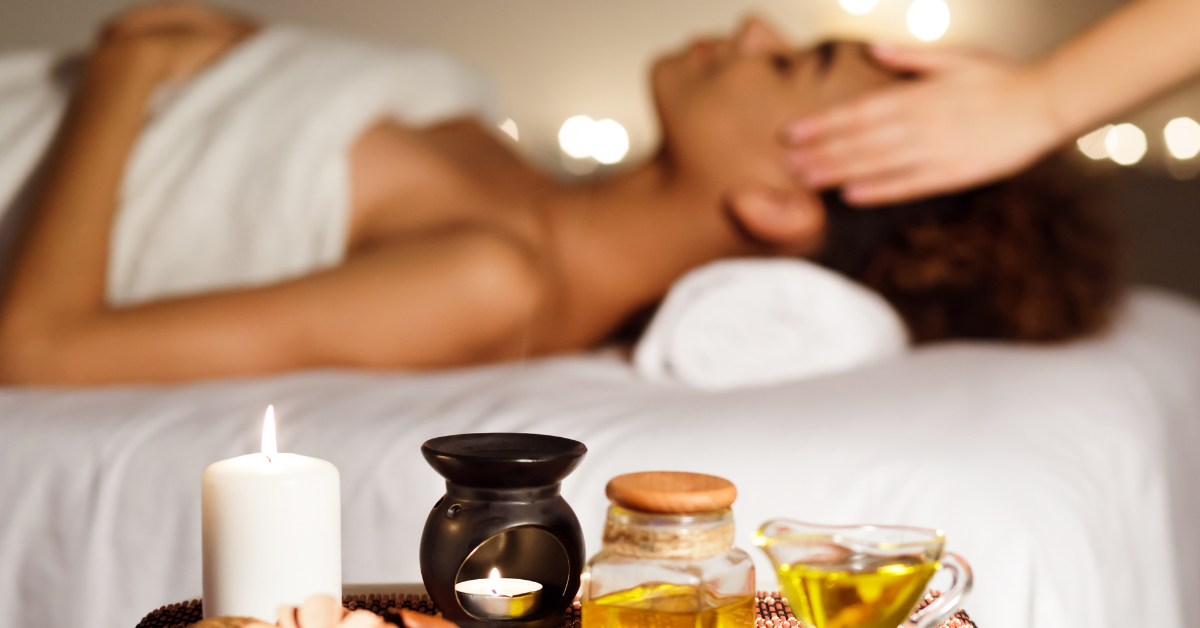
There is a specific kind of tiredness that does not come from not sleeping enough. It is the kind that builds slowly across a week — too many decisions, too much noise, not enough space to just exist quietly. I noticed a few years ago that the moments I felt most like myself were often the ones right after a shower, before I had checked my phone or started the next thing. And I started to wonder whether that was just the hot water, or whether the oils I had been burning in the bathroom had something to do with it.
That curiosity led me into what I now call shower aromatherapy — the practice of using essential oils intentionally in and around your shower to shift how you feel. Not as a luxury. As a tool.
The reason it works so well in a shower specifically is something I will explain in a moment. But the short version is: steam is a delivery system, and your open pores and steady breathing are the receiver. The bathroom you already have is already set up to be the most effective aromatherapy environment in your home. You just need to know what to put in it.
Key Takeaways
Shower aromatherapy uses steam to amplify essential oil molecules, making inhalation faster and more effective than a standard diffuser.
The best time to add a shower mist or essential oil is just before you step in — the heat does the rest.
Different oils shift different moods: eucalyptus and peppermint for morning clarity, lavender and cedarwood for evening wind-down, hinoki for grounded focus.
Applying the Frangipani Body Oil to damp skin after your shower extends the aromatherapy experience and locks in moisture at the same time.
A basic DIY shower mist takes three minutes to make and lasts for weeks.
You do not need special equipment — a spray bottle, water, and two or three well-chosen oils are enough to start.
Why Shower Aromatherapy Works Better Than a Diffuser
Most people associate aromatherapy with a ceramic diffuser on a desk or bedside table. And diffusers work — but they are working against some real limitations. Room air is dry and unpredictable. The scent dissipates quickly, the concentration you are actually inhaling is low, and unless your room is small and sealed, you are getting a fraction of what the oils could offer.
A shower is different. The hot water generates a continuous stream of humid, scent-carrying air inside a small, enclosed space. You are standing in the middle of it, breathing deliberately, with your pores open and your body temperature rising. The National Institutes of Health has published research showing that aromatic compounds like linalool (lavender) and limonene (citrus) reach the limbic system — the part of the brain governing emotion and memory — within minutes of inhalation. In a steam-filled shower, that process is significantly accelerated.
This is also why shower aroma feels more physical than diffuser aromatherapy. It is not just that you can smell something pleasant. The molecules are hitting your olfactory receptors in higher concentration, more consistently, over several minutes of steady breathing. It genuinely changes your physiology — measurably, not metaphorically.
3 Ways to Use Essential Oils in the Shower
There is no single right method. The approach that works best depends on how much time you want to invest and what oils you are working with. Here are the three I use and recommend, from simplest to most considered.
The floor drop
The simplest possible method: place two or three drops of essential oil on the shower floor in the corner away from the direct stream of water, just before you step in. The heat vaporizes the oil and fills the air quickly. It is not precise, and some of the oil will go straight down the drain, but for mornings when you want eucalyptus or peppermint without any preparation the night before, it is effective and effortless.
A DIY shower mist
This is my preferred method. Fill a small spray bottle (two ounces is plenty) with distilled water and add fifteen to twenty drops of your chosen essential oils. A teaspoon of witch hazel helps disperse the oil through the water, but it is not strictly necessary. Shake before each use and spray the walls and floor of the shower just before you step in. The mist creates a more even distribution of scent than a floor drop, and because you are not applying oil directly to the stream of water, you lose less to the drain.
The blends I reach for most often: eucalyptus and peppermint for weekday mornings, lavender and cedarwood for Sunday evenings, bergamot and litsea cubeba when I need something that lifts my mood without being aggressive about it. You can find all of these individually in the Frangipani shop, and the Clarity & Focus Set is a good starting point if you want a few different moods covered at once.
Body oil applied to damp skin after the shower
This is the step that most people miss, and it might be the most important one for extending the aromatherapy experience beyond the shower itself. When you apply a well-formulated body oil to skin that is still warm and slightly damp, two things happen: the oil absorbs more deeply because your pores are still open, and the scent becomes part of you rather than part of the room you were just standing in.
The Frangipani Hydrating and Softening Body Oil was designed specifically for this ritual. The formula includes oat oil, camellia seed oil, squalane, sweet almond oil, and rosehip — all lightweight, non-greasy carriers that absorb quickly on damp skin — infused with pure frangipani flower extract. The scent opens with bright lemon and magnolia, settles into the warm, deeply floral heart of frangipani, and finishes with grounding patchouli and cabreuva wood. It is not competing with whatever you used in your shower mist. It is the quiet finish to the same ritual.
The Best Essential Oils for Shower Aromatherapy
I want to stay away from the kind of essential oil content that tells you lavender is calming and eucalyptus is good for breathing without explaining why or what you are actually supposed to do with that information. Here is a more honest version of the oils I think are worth having for shower aromatherapy specifically.
Eucalyptus — for a shower that opens everything up
The primary compound in eucalyptus oil, eucalyptol (also called 1,8-cineole), is a natural bronchodilator — it literally widens the airways, which is why you find eucalyptus in every gym sauna and hospital steam room. In a hot shower, it is extraordinary. Two drops on the floor and you are inhaling something that makes every breath feel twice as large. If you wake up feeling foggy, congested, or already behind, this is the one. Our Eucalyptus Essential Oil is cold-pressed and GC-MS tested — the quality matters here because eucalyptol concentration varies widely between suppliers.
Peppermint — sharp, fast, and honest
Peppermint is the most immediate oil I know. The menthol hits within seconds and the effect — alert, clear, slightly cool even in a hot shower — is as close to a cheat code as aromatherapy gets. I do not use it every morning because it is almost too effective, too fast. Save it for days when you genuinely need to be on. A little of our Peppermint Essential Oil goes a long way — two drops is enough; three is a lot.
Lavender — the one that actually earns its reputation
Lavender is so ubiquitous in wellness culture that it is easy to become skeptical about whether it actually does anything. The research suggests it does. Studies cited by Johns Hopkins Medicine associate lavender inhalation with measurable increases in slow-wave (deep, restorative) sleep and reductions in nighttime waking. Used in an evening shower, it does something I have never found a better description for than: it tells your nervous system the day is over. Paired with cedarwood in a mist spray, it is one of the most reliable mood transitions I have found. Lavender Essential Oil is also part of our Calm & Comfort Set — which pairs it with oils that complement it without fighting it.
Bergamot — the one that lifts without pushing
Bergamot is the oil I reach for when I want to feel better but I am not sure exactly what I need. It is citrusy but not sharp, slightly floral, warm rather than cold. Research published in Frontiers in Pharmacology links bergamot inhalation to measurable reductions in anxiety and improved positive affect. In a shower mist, it is particularly good combined with litsea cubeba for a bright, clean morning scent, or with lavender and a touch of cedarwood when you want to feel steady rather than energized. Find it on its own as our Bergamot Essential Oil.
Hinoki — a shower that feels like a Japanese bathhouse
Hinoki is Japanese cypress, and it is the oil I am most evangelical about because it is genuinely underused outside of East Asia. Traditional Japanese onsen baths are often lined in hinoki wood specifically because the scent — woody, slightly citrusy, deeply clean — transforms a hot soak into something that feels ceremonial. The practice of Shinrin-yoku (forest bathing), which the World Health Organization has recognized as a legitimate stress-reduction practice, works partly because of the phytoncides released by conifer trees — compounds present in concentrated form in hinoki oil. A few drops in a hot shower is the most accessible version of that experience available to someone living in a city. Our Hinoki Essential Oil is one of our bestsellers, and also one half of our Lavender & Hinoki Roll-On — useful for carrying the same grounding quality with you after the shower is over.
3 DIY Shower Mist Recipes to Try at Home
Each of these is built around a feeling, not just a formula. I find that approach produces more coherent blends — when all the oils are pulling toward the same mood, the result tends to make sense even if the combination looks unusual on paper.
Morning Clarity
Mood: alert, open, ready — like the first hour when the day still feels manageable
What you need
10 drops eucalyptus essential oil
6 drops peppermint essential oil
4 drops lemon (or litsea cubeba for a warmer citrus)
2 oz distilled water
1 tsp witch hazel (optional dispersant)
How to use it
Combine oils and witch hazel in a small spray bottle, then add the water. Shake well before each use. Spray the shower walls and floor just before stepping in. This blend is not subtle — it is designed to wake you up. Use it on mornings when you need to be sharp fast.
If you find straight peppermint too aggressive, reduce it to 3 drops and add 3 drops of bergamot instead. The bergamot softens the edges without losing the energy.
Evening Reset
Mood: quieter, slower, ready to stop for the day
What you need
10 drops lavender essential oil
6 drops cedarwood essential oil
4 drops bergamot essential oil
2 oz distilled water
1 tsp witch hazel (optional)
How to use it
Same method as above. This blend is designed for evening showers when you want to signal a transition — from the day to whatever comes after it. The cedarwood anchors the lavender, the bergamot keeps it from feeling heavy.
After this shower, applying the Frangipani Body Oil on damp skin completes the ritual. The frangipani and patchouli in the oil read as a quiet continuation of the cedarwood and lavender rather than a disruption of them.
Quiet Focus
Mood: grounded, present, ready to do one thing well
What you need
12 drops hinoki essential oil
6 drops lavender essential oil
4 drops lemon essential oil
2 oz distilled water
How to use it
Hinoki does the heavy lifting here. The lavender softens its woodiness without sedating the whole blend, and the lemon gives it a clean opening that prevents it from feeling too dark for daytime use.
This is the blend I use before writing or any work that requires sustained concentration. It creates a particular quality of calm that is alert rather than sleepy — forest-quiet rather than bedroom-quiet.
How to Use Body Oil After a Shower
The first few minutes after you step out of the shower are when your skin is most receptive. It is warm, slightly damp, your pores are still open. Most people reach for a towel, dry off completely, and move on. That is the moment I would argue for doing something different.
Patting (not rubbing) your skin dry and applying a body oil while it is still slightly damp creates what the skin care world calls occlusion — the oil forms a light barrier that seals moisture in rather than letting it evaporate into the air. The practical result is that your skin stays hydrated significantly longer than it would with lotion applied to dry skin. But for aromatherapy, there is another reason this step matters: the scent becomes yours.
A shower mist scent lives in the air and is gone the moment you step out. A body oil applied to warm, damp skin is absorbed and becomes part of your natural scent profile. The frangipani in our Frangipani Hydrating and Softening Body Oil — warm, tropical, slightly sweet — lingers for hours in a way that a diffuser oil simply cannot. It is the same principle as a solid perfume: body heat activates it, and it evolves through the day as your skin warms and cools.
The formula is 100% plant-derived, paraben-free, phthalate-free, cruelty-free, and vegan. It was developed with the same sourcing standards we apply to all our essential oils — nothing synthetic, nothing added that does not earn its place.
If you want to build a complete morning or evening practice, the Starter Set gives you oils to experiment with in the shower, and the Frangipani Body Oil is the natural counterpart for after. Together they cost less than a single visit to a spa, and you will use them every day.
Shower Aromatherapy Safety Tips and Common Mistakes
Shower aromatherapy is genuinely simple, but there are a few things that will save you from the same mistakes I made early on.
Citrus oils — bergamot, lemon, litsea cubeba — can cause photosensitivity if they get on your skin and you go into sunlight shortly after. When you are using them in a shower mist, the concentration in the air is low enough that this is generally not a concern. But if you are applying any citrus-heavy blend directly to your skin before sun exposure, be aware of it. Our Bergamot Essential Oil is a good choice because it is properly diluted for use — but as always with any new blend, patch test first.
Less is consistently more. Two drops of eucalyptus in a small shower fills the space. Four drops is overwhelming. Start low and adjust in subsequent showers. You cannot un-spray a mist that is too strong.
The temperature of your shower affects the scent. A very hot shower vaporizes oils faster and more completely — you get a stronger, shorter hit. A slightly cooler shower produces a gentler, more sustained release. Experiment with both and notice what feels right for what you are trying to achieve.
If you want to go deeper on how essential oils work, what they are made of, and how to choose between them, our Essential Oils 101 guide covers the fundamentals without the fluff. And our How to Use Essential Oils page goes into application methods across different contexts — shower aromatherapy is one of several.
Something I find worth saying: you do not need to turn your morning shower into a ceremony to get value from this. You do not need to be intentional about it every day or have a carefully curated routine. Even using a single oil consistently — the same eucalyptus every Monday morning, the same lavender every Sunday night — starts to create associations in your brain between that scent and that state. Your nervous system learns to arrive somewhere calmer or more alert before the water even hits your skin.
That is the quiet power of shower aroma. It is repetition, not ritual. Start with one oil. The rest will follow.
Shower Aromatherapy: Frequently Asked Questions
Do I need a diffuser to practice shower aromatherapy?
No — the shower itself acts as the diffuser. Hot water generates steam that carries essential oil molecules through the air. A spray bottle of DIY shower mist, or a few drops placed on the shower floor before you step in, is all you need. A dedicated diffuser is useful in other rooms, but in the shower it would be redundant and potentially damaged by the humidity.
Is shower aromatherapy safe for daily use?
Yes, for most adults, when oils are used at appropriate concentrations. The oils in a shower mist are highly diluted by the water and air — you are inhaling a small concentration over a few minutes, not applying concentrated oil to skin. If you have asthma, respiratory conditions, or are pregnant, speak with a healthcare provider before starting, as some essential oils are contraindicated. Always store oils away from children and pets.
What is the difference between shower aromatherapy and just using scented shower gel?
Commercial scented shower gels are almost always made with synthetic fragrance rather than essential oils. Synthetic fragrance can smell similar to essential oils but lacks the aromatic compounds that interact with the limbic system and produce mood effects. Shower aromatherapy using pure essential oils is a different category of experience — not just a scent, but a physiological input.
Can I use the Frangipani Body Oil in the shower itself?
The Frangipani Body Oil is designed for post-shower application on damp skin — this is when it absorbs most effectively and the scent is most pronounced. Applying it in the shower itself is not the intended use, and the warm water would wash most of it away before it could absorb. For the best result: shower with your mist blend, then apply the body oil immediately after on slightly damp skin.
Which essential oil is best for a morning shower?
Eucalyptus and peppermint are the most reliably effective for morning energy and clarity — eucalyptol opens the airways and menthol produces immediate alertness. If you find those too sharp, bergamot is a gentler alternative that still lifts mood without feeling sedating. For a more grounded morning energy, hinoki is worth trying.
How do I stop the shower mist from separating?
Essential oils and water do not mix without a dispersant. Adding a teaspoon of witch hazel or high-proof vodka to your spray bottle helps the oils stay suspended in the water. Shake the bottle vigorously before each spray and use it within a few weeks of making it — the mixture is not preserved and the oils will degrade over time.