Frangipani Flower: What It Is, What It Smells Like, and Why It Matters
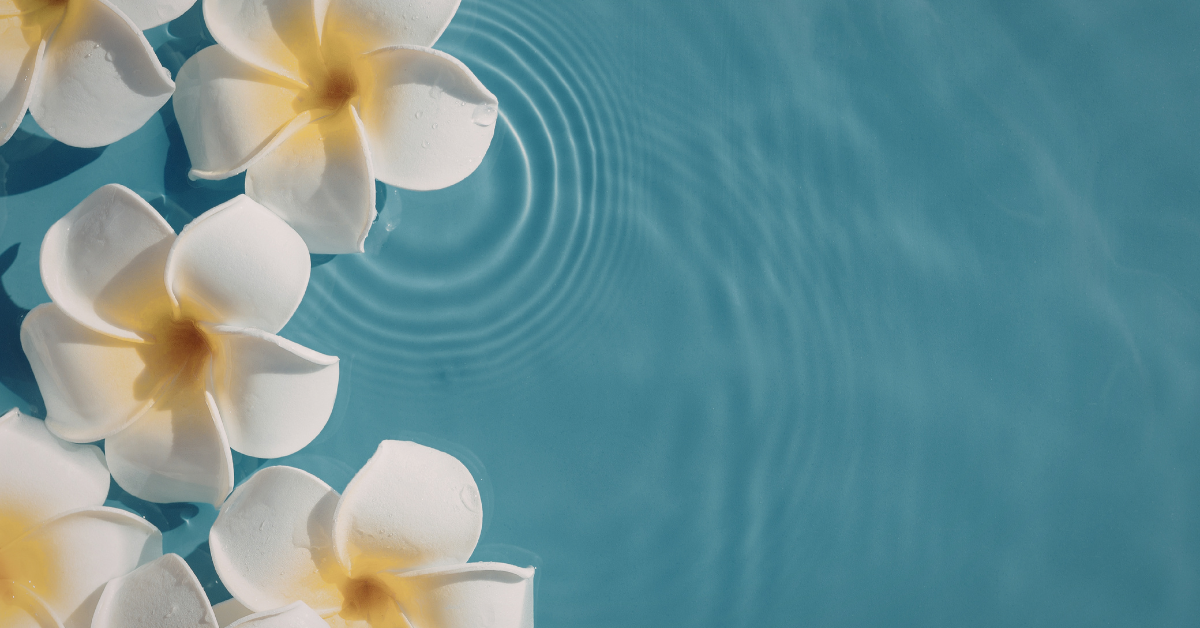
Growing up between Taiwan and Thailand, the frangipani flower was just part of life. It grew in our garden, it fell on the path in front of our door, it was always there in the background of mornings I now realize I took completely for granted.
It was only after I moved to the US at 18 — living in a dorm at USC, suddenly very far from everything familiar — that I understood what that flower had meant. The first time I caught a hint of something similar in someone else's perfume, I felt it in my chest before I could name it. That's what scent does. It skips the brain and goes straight to memory.
I started this brand because of that feeling, and because I noticed that so many people around me — students from all over Asia, each of us homesick in our own way — had the same experience. We missed our scents. So I want to write about the frangipani flower properly, not just as the ingredient behind our body oil, but as the living thing it actually is: where it comes from, what it carries culturally, what it smells like, and what it does for the skin. Because it deserves that.
Key Takeaways
The frangipani flower (also known as plumeria) is native to Central America but has been woven into the spiritual and daily life of Southeast Asia, the Pacific Islands, and India for centuries.
It is one of the most symbolically rich flowers in the world — used in Balinese temple offerings, Hawaiian leis, Thai ceremonies, and Indian wedding garlands.
The scent is layered: citrusy-fresh top notes, a creamy floral heart, and a soft woody base that lingers on skin for hours.
Frangipani extract contains antioxidants, glycosides, and anti-inflammatory compounds with documented skin benefits.
Its essential oil works as a natural perfume alternative — it scents and hydrates the skin at the same time.
We use authentic frangipani essential oil as the heart of our Hydrating and Softening Body Oil.
What Is the Frangipani Flower?
The frangipani flower comes from the Plumeria tree, a small tropical tree in the Apocynaceae family. You have almost certainly encountered it without realizing — it is the flower most commonly used in Hawaiian leis, and the one that carpets the ground around Buddhist temples across Southeast Asia.
Botanically, the genus Plumeria includes around 18 accepted species. It is originally native to tropical America — Mexico, Central America, and the Caribbean, but today it grows across the tropics from Thailand to Indonesia to Hawaii. In Laos it is called dok champa. In Indonesia, kamboja. In Sri Lanka, araliya or temple flower. In India, champa. The fact that each culture gave it its own name tells you something about how deeply it was adopted.
The flowers are five-petaled, waxy, and appear in clusters at the tips of branches — usually white or pale pink on the outside with a creamy yellow center, though varieties range from deep red to gold to coral. They bloom from summer through autumn. And there is something remarkable about them: a frangipani branch cut from its tree and left on a table will still produce flowers. The plant can bloom even when uprooted. That quality alone explains why so many traditions have made it a symbol of immortality and renewal.
The Cultural Weight of This Flower
When I was growing up, the frangipani was just the tree in the garden. I had no idea it was also in Bali's daily offerings, in the national identity of Laos, in Hawaiian ceremony, in Indian weddings. Learning that later, as an adult, made me feel something I can only describe as recognition — like finding out a word you've always known exists in many other languages too.
Southeast Asia: the offering flower
In Bali, frangipani blossoms are placed in small woven baskets every morning as offerings to the gods — at doorways, at temple shrines, at the base of statues. The white variety is associated with purity and the divine. In Laos, it is the national flower, known as dok champa, and every Buddhist temple in the country has frangipani trees growing in its courtyard — many of them hundreds of years old. In Thailand, Cambodia, and Vietnam, it is planted on temple grounds and used in Buddhist ceremonies as a symbol of devotion and renewal.
Hawaii: leis and quiet declarations
In Hawaiian culture, the plumeria flower — called melia in the Hawaiian language — is one of the most beloved for making leis. There is a Polynesian custom I find quietly beautiful: a frangipani worn over the right ear means you are single and open to love. Over the left means you are taken. That a single flower placement could communicate something so personal, without a single word, feels very right.
India: champa and Ayurveda
In India, the frangipani is called champa and appears in Hindu wedding ceremonies — garlands of cream-colored plumeria exchanged between bride and groom as a symbol of loyalty. Its medicinal use is recorded in ancient Ayurvedic texts. According to botanical records on frangipani in Indian traditional medicine, the plant's properties are referenced in both the Charaka Samhita and Sushrita Samhita — two of the foundational texts of Ayurveda. The flower, bark, and leaves have all been used for centuries to address skin conditions, fever, and inflammation.
What Does Frangipani Actually Smell Like?
This is the question I love answering, and also the hardest one. The frangipani scent does not reduce to a single note. It moves.
When you first breathe it in, there is something bright and clean — a lift of lemon or light magnolia. Then the heart opens: rich, creamy, velvety floral that is warm and tropical without being heavy. There is a softness to it that is hard to describe — like standing near the ocean at dusk in a garden that's still warm from the day. The base stays longest on the skin: woody, grounding, a little earthy.
Different species smell noticeably different. Some frangipani flowers lean fruity — mango, guava, coconut. Others are more delicate and cool, closer to jasmine or gardenia. This variety is part of why frangipani has been a prized ingredient in high-end natural perfumery for centuries. It gives perfumers so much to work with.
One thing I find endlessly interesting: frangipani trees can release their fragrance even when they have no flowers. The scent lives in the wood itself. For a flower already associated with immortality across so many cultures, that seems about right.
What Frangipani Does for Your Skin
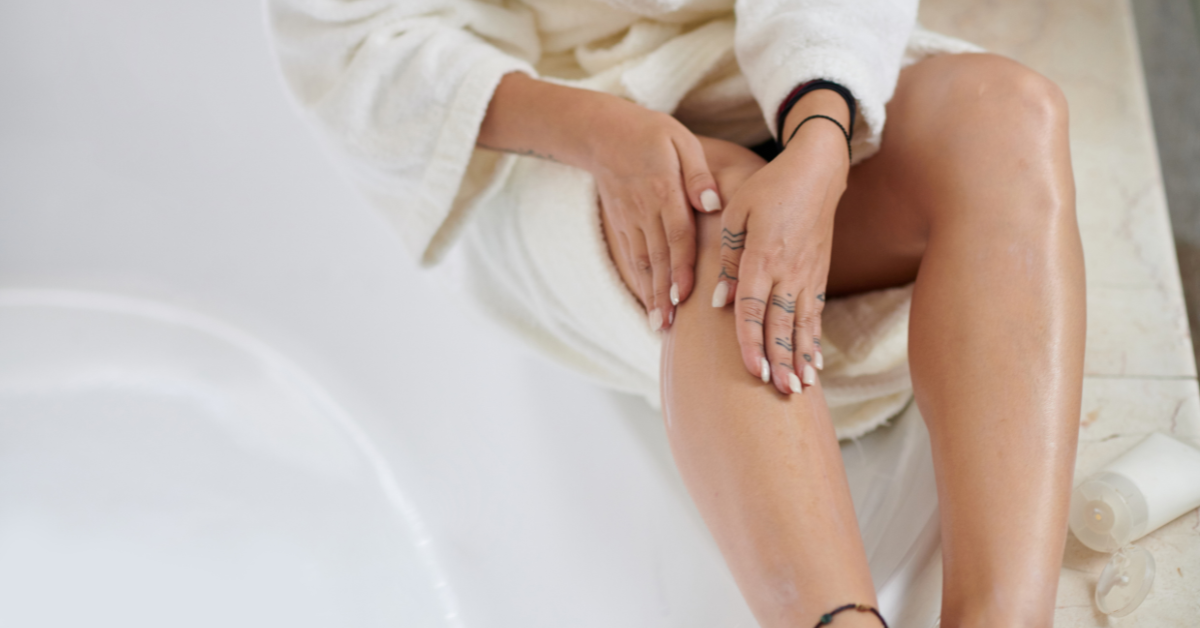
Beyond the cultural significance and the scent, the frangipani flower has real, documented benefits for the skin. This is not marketing — it is why traditional medicine across the region has used it for generations.
Hydration: Frangipani extract contains glycosides — naturally occurring sugar compounds that bond to water molecules. This makes them effective humectants that draw moisture into the skin and help keep it there, supporting the skin's barrier over time.
Antioxidant protection: The flower is rich in phenols, flavonoids, and benzoic acid. A peer-reviewed study published in PMC/NCBI confirmed that Plumeria alba extract demonstrates meaningful antioxidant and antimicrobial activity — which helps protect skin from environmental stressors and oxidative damage.
Anti-inflammatory soothing: Plumeria preparations have been used across Vietnam, India, and Indonesia to calm inflamed or irritated skin. Laboratory research supports these traditional uses, showing real anti-inflammatory activity in the flower's extracts.
Aromatherapy calm: Inhaling frangipani genuinely affects the nervous system. In aromatherapy it is associated with reducing stress, promoting emotional balance, and supporting restful sleep. The scent activates the limbic system — the part of the brain connected to emotion and memory. That is not a poetic exaggeration; it is how aromatic compounds work.
Why We Built a Body Oil Around It
The idea for our body oil came from something very simple. I wanted to carry the frangipani scent with me throughout the day without alcohol-based perfume, which evaporates fast and dries the skin. I wanted something that would last and also do something good for me while it was on.
Extracting oil from frangipani flowers is a delicate process. Because the blossoms are too fragile for steam distillation, a method called solvent extraction is used to preserve the full aromatic profile. The yield is small — it takes a large volume of hand-picked flowers to produce even a modest amount of oil. That is part of what makes genuine frangipani essential oil so precious.
In our Frangipani Hydrating and Softening Body Oil, we paired the frangipani essential oil with camellia oil — which has been used in East Asian beauty rituals for centuries for its silky, fast-absorbing finish — along with oat oil, squalane, sweet almond oil, rosehip, and jojoba. Each ingredient was chosen to complement the frangipani and support the skin at the same time.
The scent moves through three layers: lemon and magnolia at the top, frangipani heart, then patchouli and cabreuva at the base. Applied after a shower on slightly damp skin, it absorbs cleanly and the scent stays. It works as daily moisture and as a natural fragrance — no synthetics, nothing harsh.
If you are curious about the full range of Asian-inspired botanicals we work with, you can explore the Frangipani shop — everything is made in small batches with ingredients sourced from across Asia.
A Flower Worth Knowing
The frangipani has been placed on temple altars in Bali, worn in Hawaiian wedding leis, exchanged between brides and grooms in India, and planted beside gravesites in Malaysia because its fragrance is believed to carry prayers. It has crossed oceans multiple times — from tropical America to Asia, from Asia to perfumeries in Europe, from the gardens of nobles to the morning routines of people all over the world.
When I started this brand from my dorm room, missing home and trying to put something real into a bottle, I chose this flower because it already knew how to travel. It already knew how to make people feel like they belonged somewhere.
I hope it does something like that for you too.
Frequently Asked Questions
What is the frangipani flower?
The frangipani flower comes from the Plumeria tree, a tropical tree native to Central America. It is known by many names across the world — plumeria in the United States, dok champa in Laos, champa in India, and araliya in Sri Lanka. It has five waxy petals and blooms in clusters, usually white or pink with a yellow center. It is widely used in leis, temple offerings, wedding ceremonies, and traditional medicine across Asia and the Pacific Islands.
What is the difference between frangipani and plumeria?
They are the same plant. Plumeria is the botanical genus name, given in honor of 17th-century French botanist Charles Plumier. Frangipani is the common name, derived from an Italian Marquis who created a popular glove perfume said to smell like the flower. Plumeria is more widely used in the United States; frangipani is preferred throughout Asia, Australia, and the Pacific.
What does the frangipani flower smell like?
Frangipani has a layered, complex scent. The top notes are bright and citrusy — lemon, magnolia. The heart is rich, creamy, and warmly floral — tropical without being heavy. The base is soft and woody, with staying power. Different species vary: some lean fruity (mango, coconut), others more delicate and jasmine-like. It is widely considered one of the most beautiful natural fragrances in the world.
What does the frangipani flower symbolize?
Symbolism varies by culture. In Bali it represents purity and devotion — it is offered to the gods daily. In Laos it is a symbol of sincerity and renewal. In Hawaii it is woven into leis as a gesture of love and welcome. In India it symbolizes loyalty in marriage. Across many traditions, its ability to bloom even after being uprooted makes it a symbol of immortality and resilience.
Is frangipani good for skin?
Yes. Frangipani extract contains glycosides that help attract and retain moisture in the skin, along with antioxidants such as phenols and flavonoids that protect against environmental damage. It also has documented anti-inflammatory properties that can help calm redness and irritation. When blended into a well-formulated body oil alongside complementary carrier oils, it delivers both skin benefits and a long-lasting natural fragrance.
Where can I find frangipani body oil?
Our Frangipani Hydrating and Softening Body Oil is available on our website, along with our full collection of Asian botanical essential oils in the Frangipani shop. We are also available in person at ATLAS Westfield Century City in Los Angeles.